Loading...
Residential Comfort & Accessibility
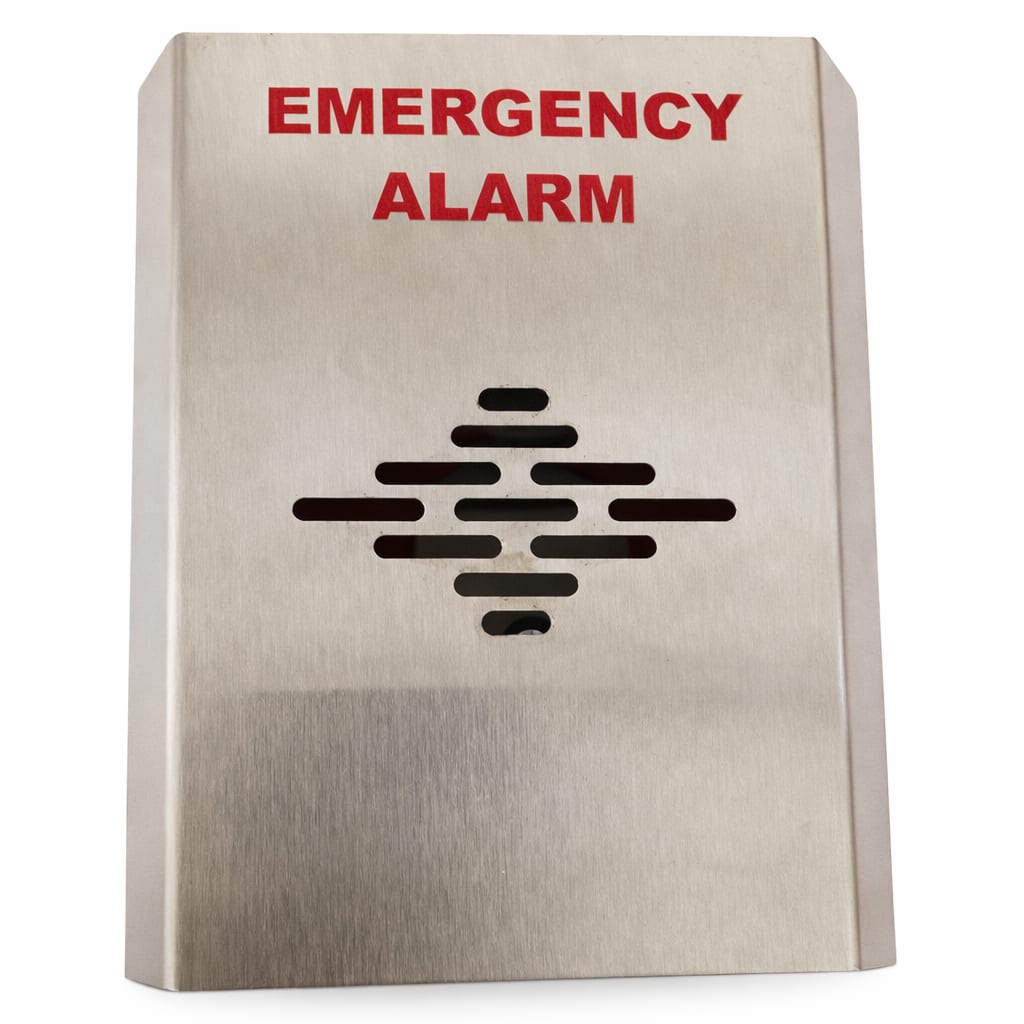
The Elevator Emergency Wall‑Mount Alarm is a safety device installed inside elevator cars or nearby accessible areas to allow passengers to raise an alarm during emergencies. It is designed for quick activation in situations such as power failure, elevator stoppage, or passenger distress. This alarm unit is wall‑mounted, ensuring easy visibility and access. When activated, it produces a loud audible alert and may also connect to the elevator control panel or emergency communication system to notify maintenance staff or security personnel. Manufactured with durable housing and reliable internal components, the emergency wall‑mount alarm is an essential safety feature in passenger and goods elevators, complying with standard elevator safety requirements.
Price on request
Login to see pricing
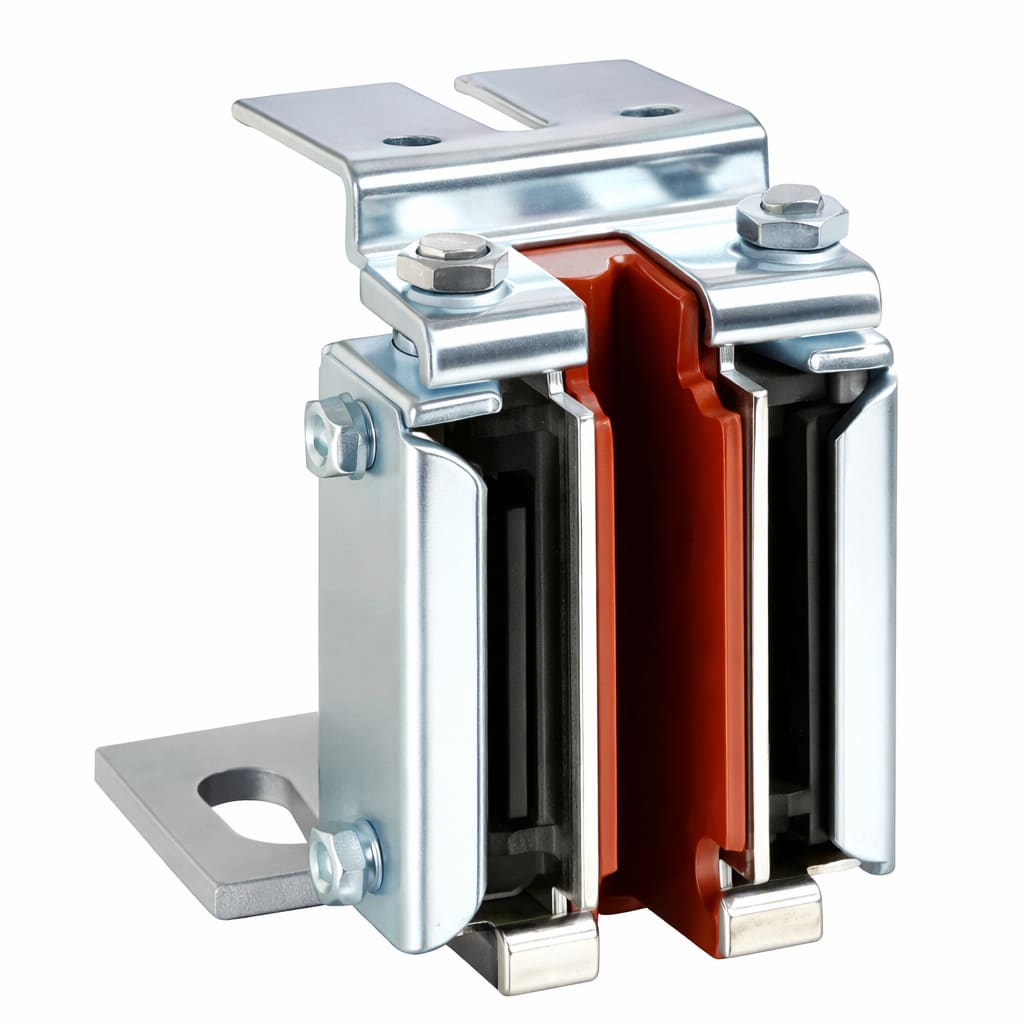
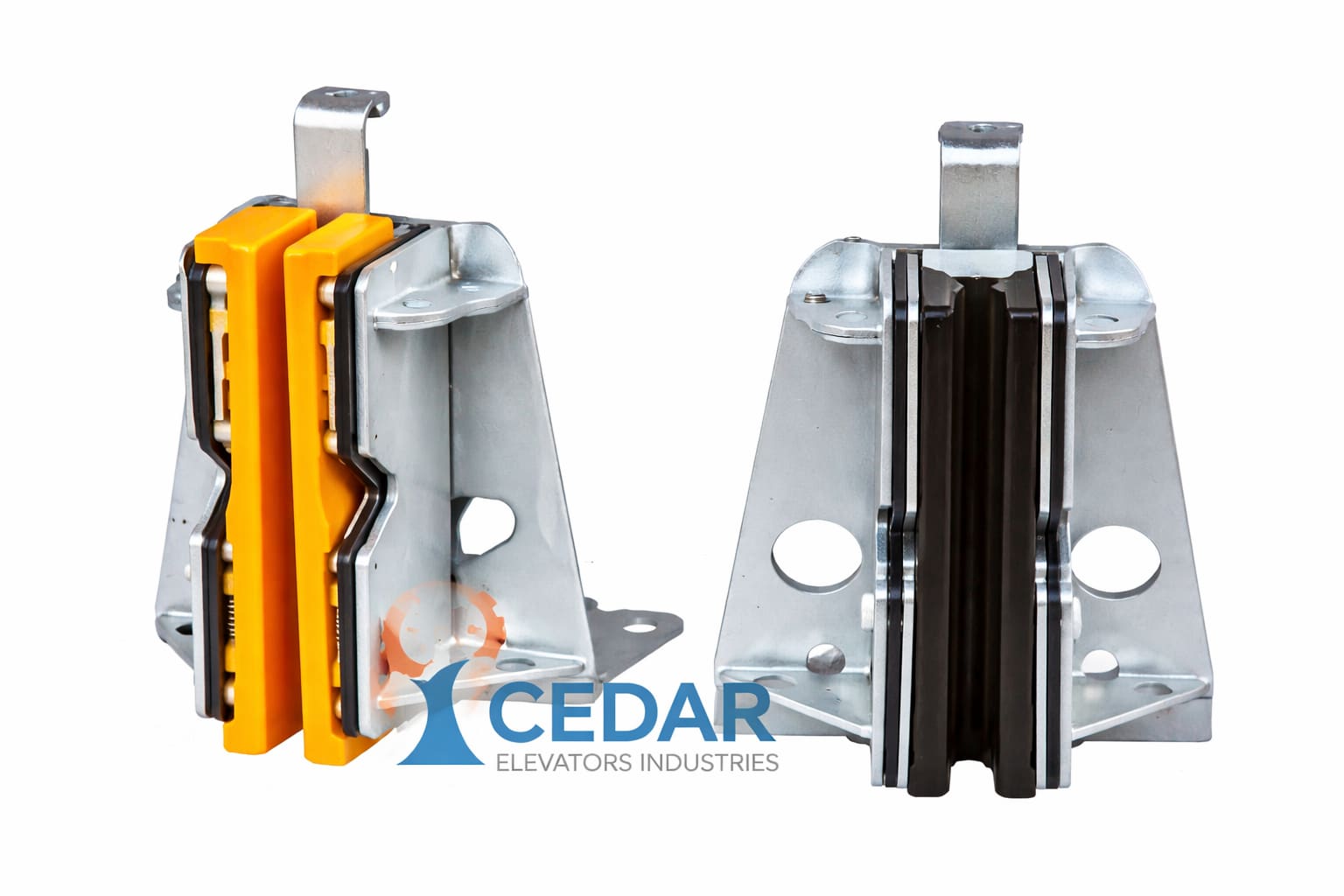
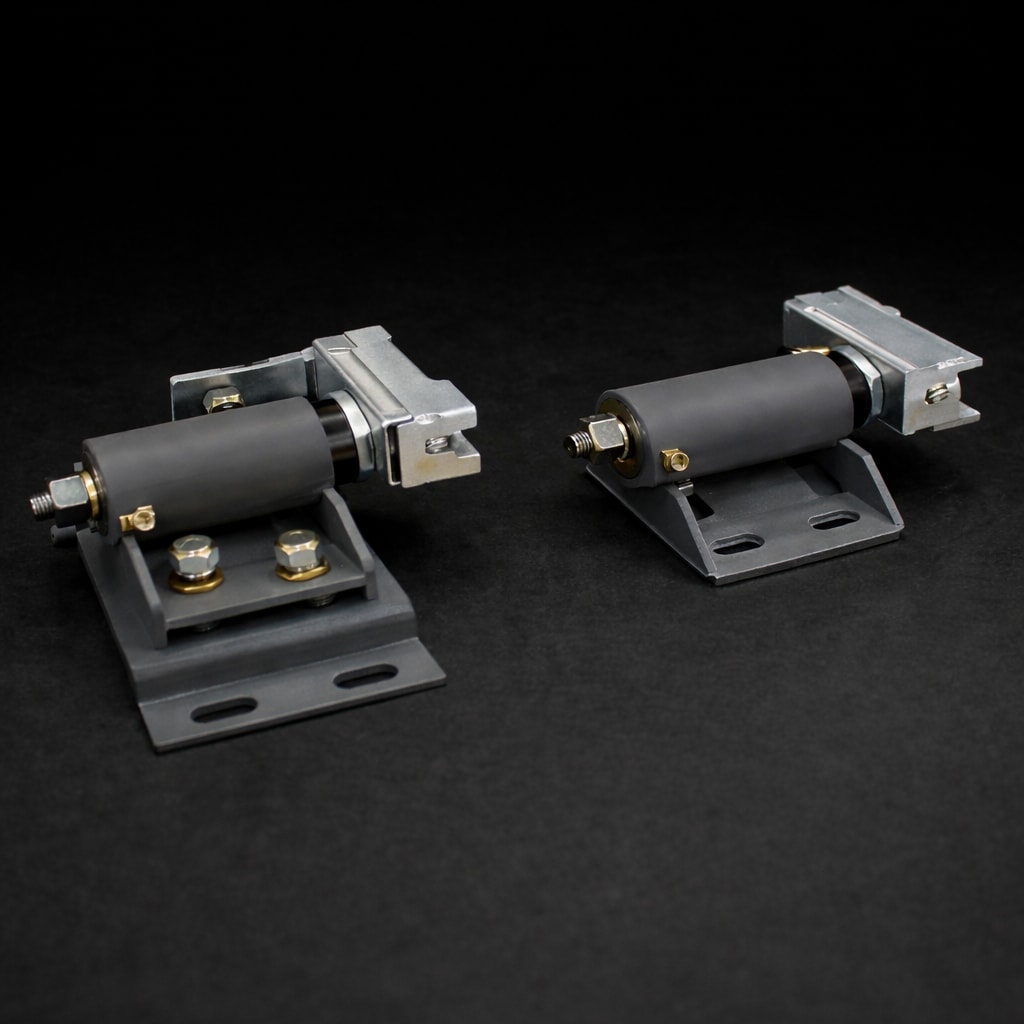
The Car Guide Shoe Assembly is a mechanical guiding component used in elevator systems to ensure smooth, stable, and aligned vertical movement of the elevator car along the guide rails. Mounted on the car frame, the guide shoe maintains continuous contact with the guide rail, minimizing lateral movement, vibration, and noise during travel. This assembly plays a crucial role in ride comfort and operational stability by absorbing minor rail irregularities and maintaining precise car alignment throughout the shaft. It is suitable for a wide range of elevator applications and is commonly used in both low- and mid-speed lift systems.
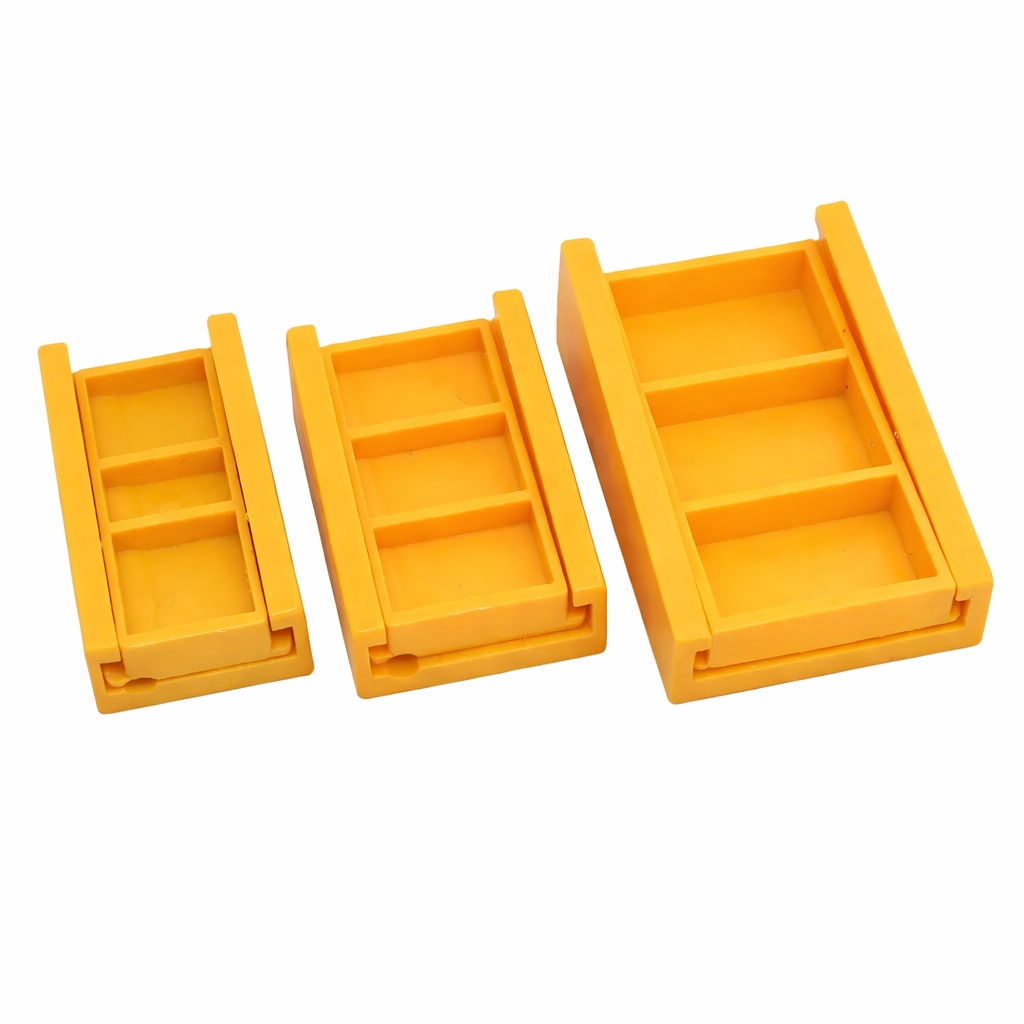
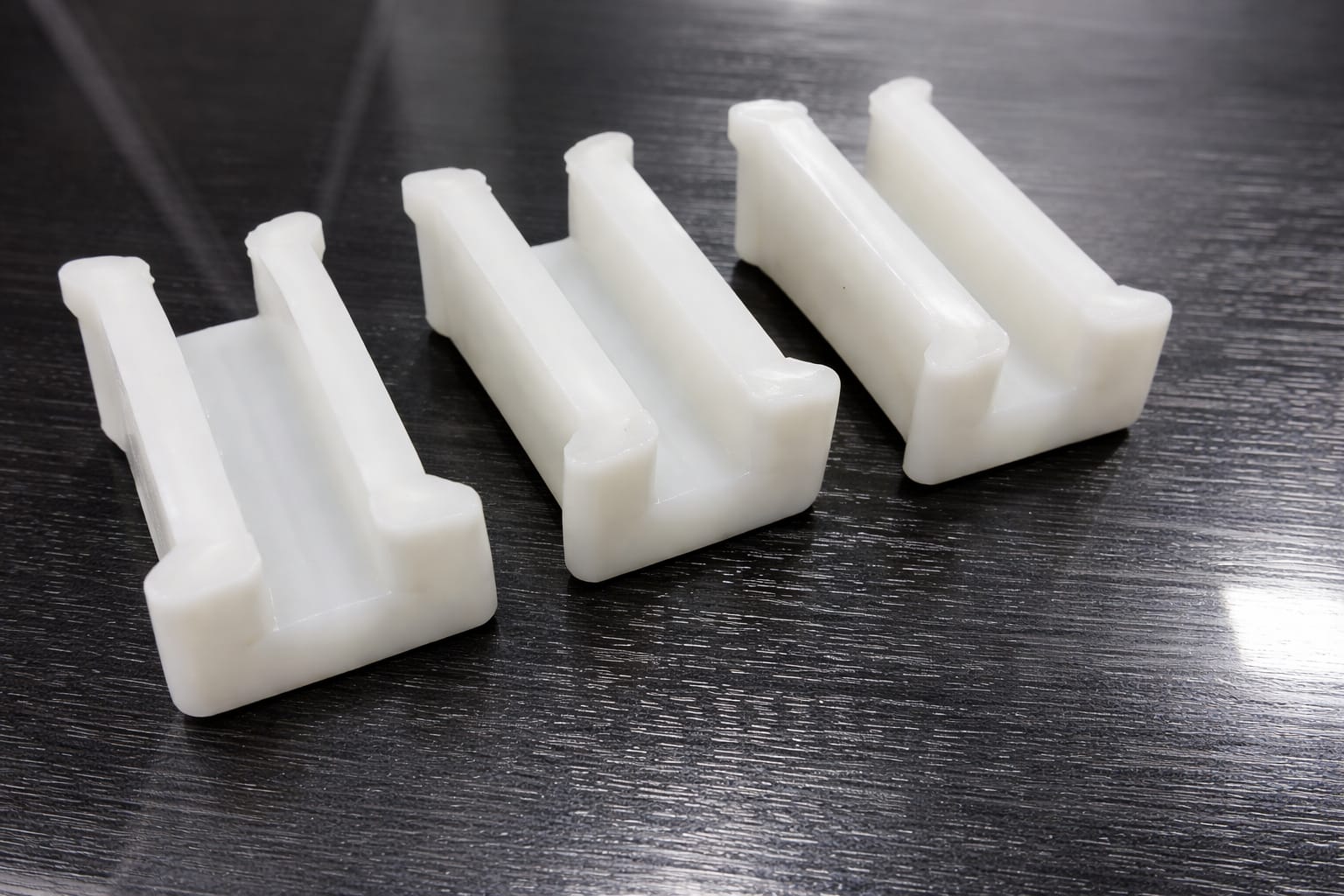
The Car Guide Shoe Liner – 9 mm is a replaceable wear component used within the elevator car guide shoe assembly. It is designed to interface directly with 9 mm thick guide rails, providing a smooth sliding surface that reduces friction between the guide shoe and the rail during elevator travel. The liner plays a critical role in vibration reduction, noise control, and protection of the guide rail and guide shoe body. Made from high‑wear‑resistant materials, it ensures consistent performance, extended Service life, and easy replacement during routine elevator maintenance
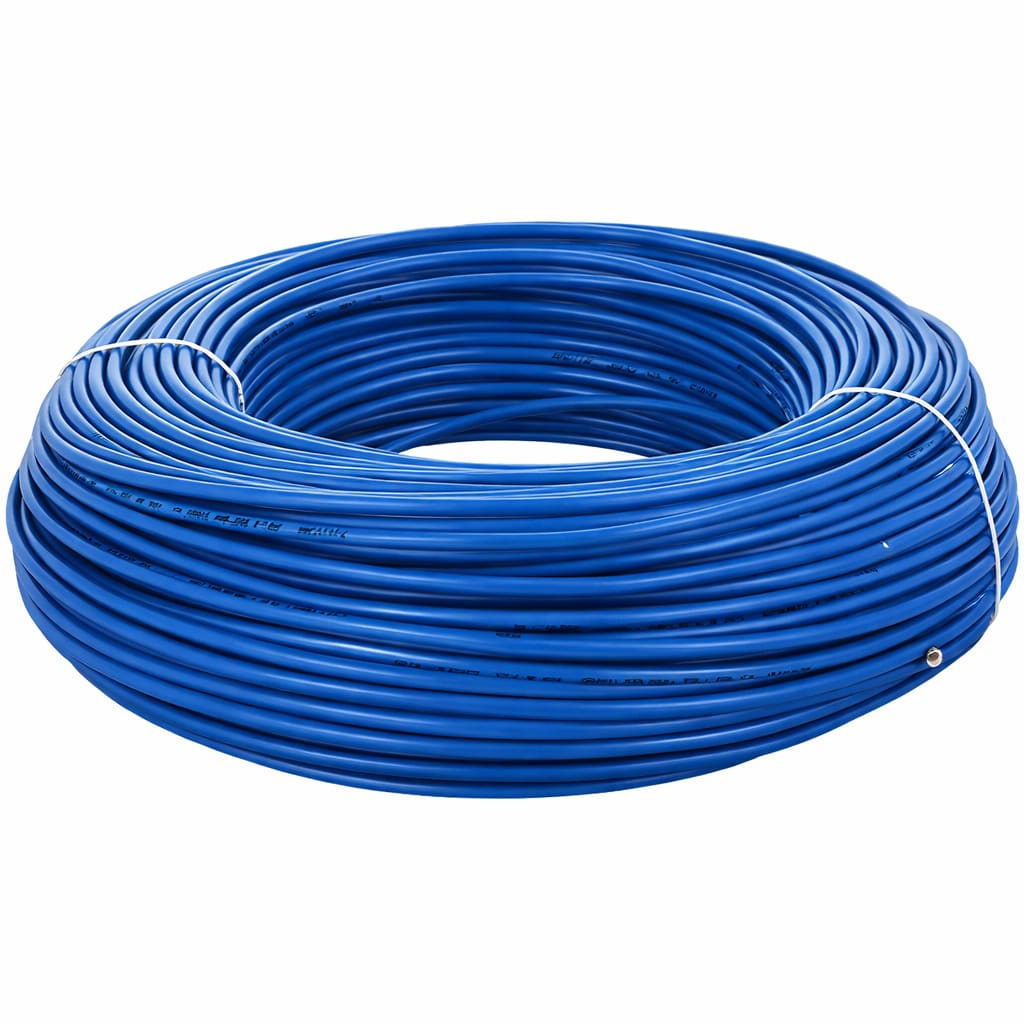
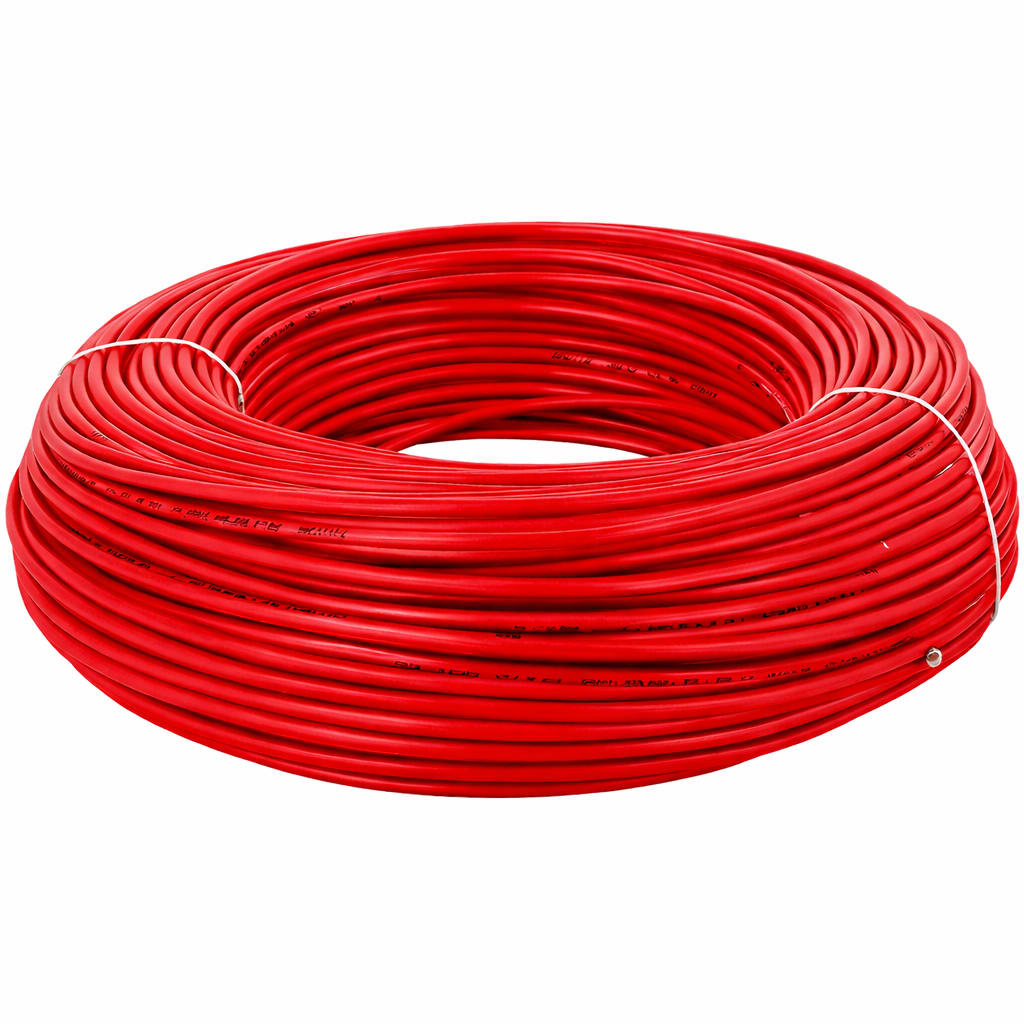
The Elevator Wire Coil – 0.75 sq.mm (720 Length) is an electrical wiring component used for elevator control panels, car wiring, and auxiliary electrical circuits. It features a single insulated copper conductor with a 0.75 square millimeter cross‑section, supplied in a 720‑length coil for convenient handling and continuous wiring applications. This wire coil is suitable for control circuits, signal wiring, indicator connections, relay wiring, and internal panel connections where stable current capacity and reliable conductivity are required. Manufactured using high‑quality copper with durable PVC or equivalent insulation, it offers good flexibility, electrical stability, and resistance to heat, vibration, and wear, making it ideal for long‑term elevator use.
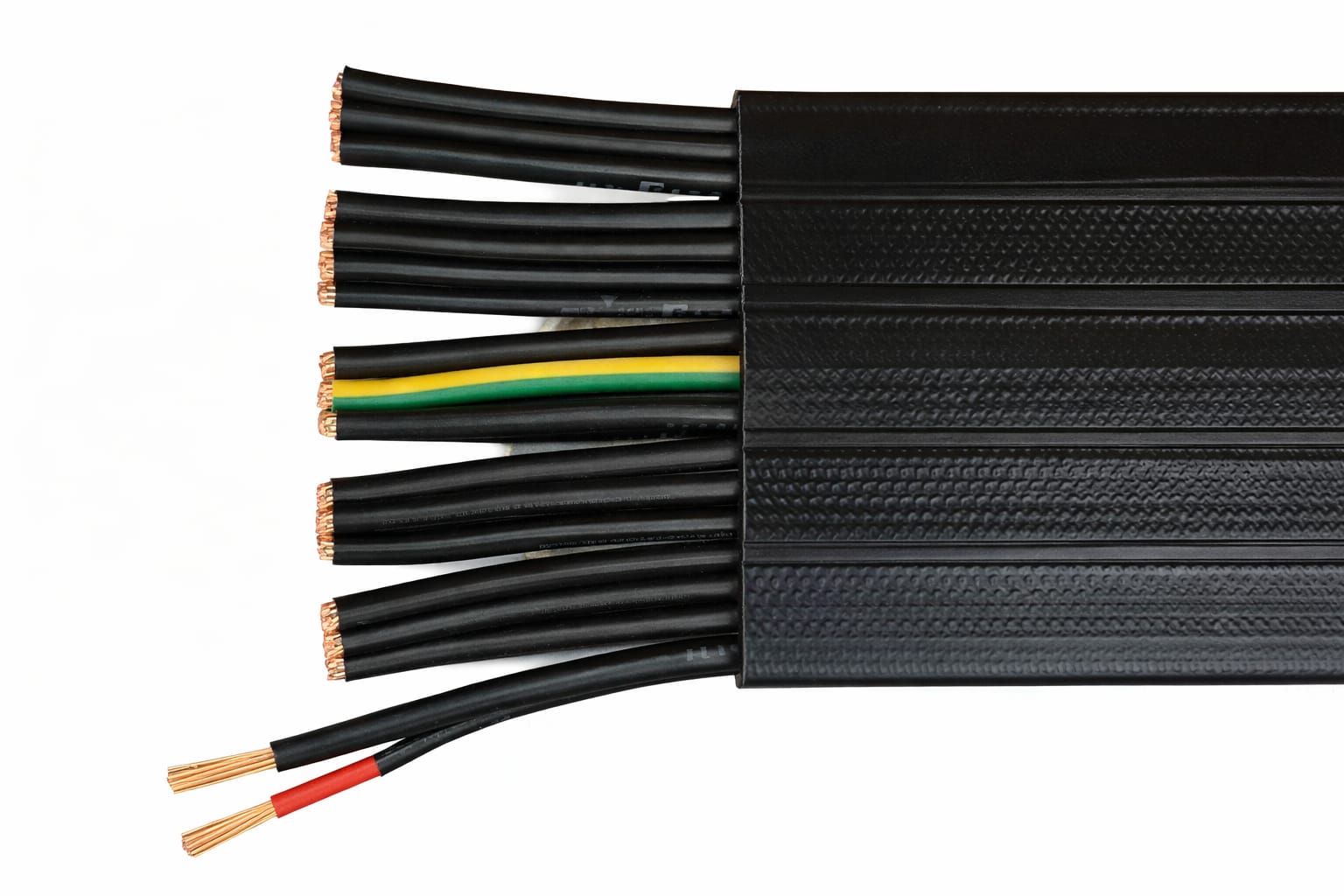
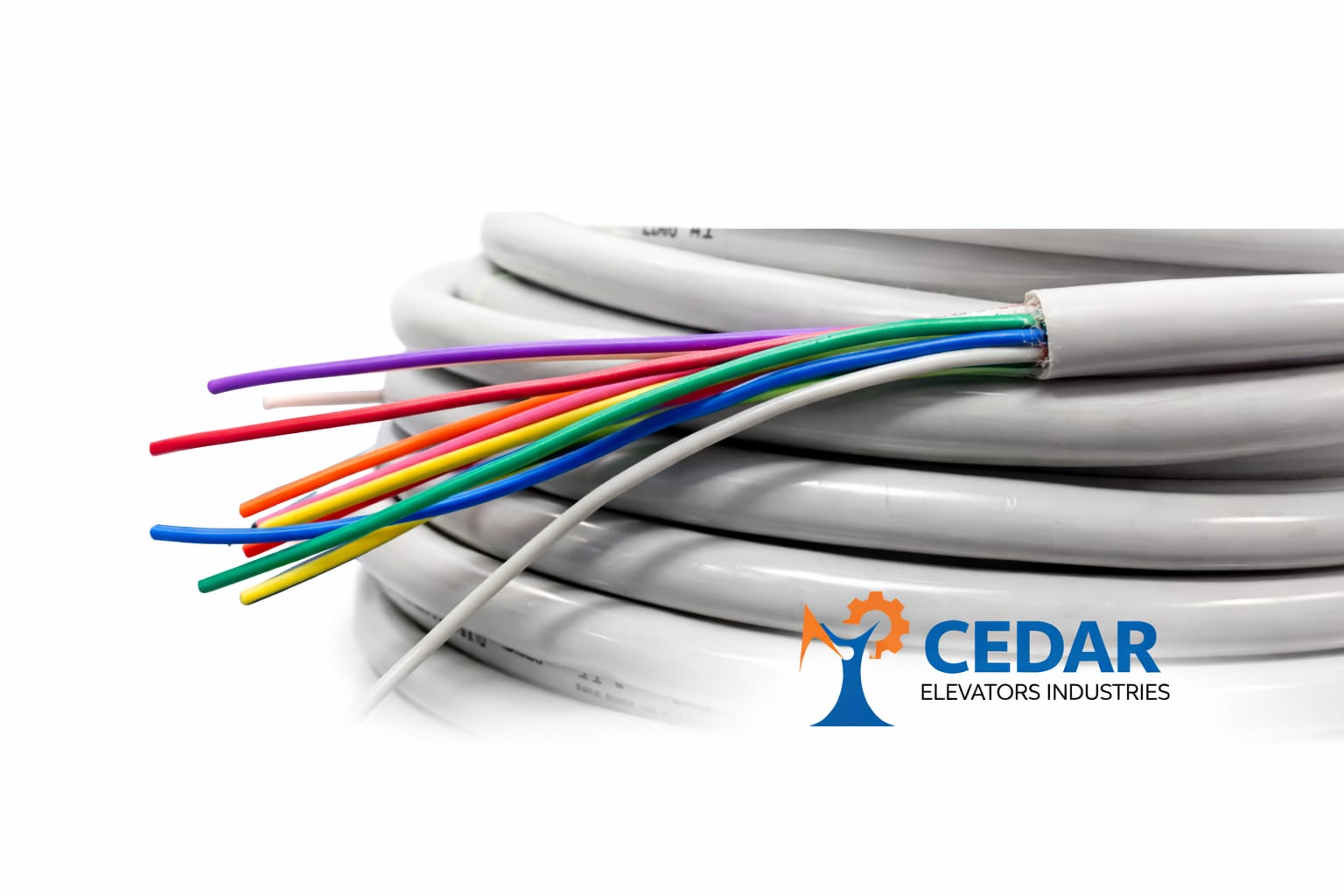
The Elevator Travelling Cable – 12 Core is a flexible electrical cable used to transmit power, control signals, and communication signals between the elevator car and the control system. It is designed to move continuously with the elevator car during operation, ensuring reliable electrical connectivity throughout the full travel height. This travelling cable consists of 12 insulated conductors (cores) arranged to provide high flexibility, durability, and resistance to repeated bending. It is manufactured with high‑quality copper conductors, PVC or special elastomer insulation, and a robust outer sheath, offering protection against wear, vibration, and environmental factors. The 12‑core travelling cable is widely used in passenger and goods elevators for car control, lighting, safety circuits, and signal transmission.
The CWT Guide Shoe Assembly is a mechanical guiding component installed on the elevator counterweight frame to ensure smooth, stable, and aligned vertical movement along the guide rails. It maintains continuous contact between the counterweight and guide rail, minimizing lateral movement, vibration, and noise during elevator operation. Designed for durability and consistent performance, the guide shoe assembly helps absorb minor guide rail irregularities and ensures proper counterweight alignment, contributing to balanced elevator travel and extended component life.
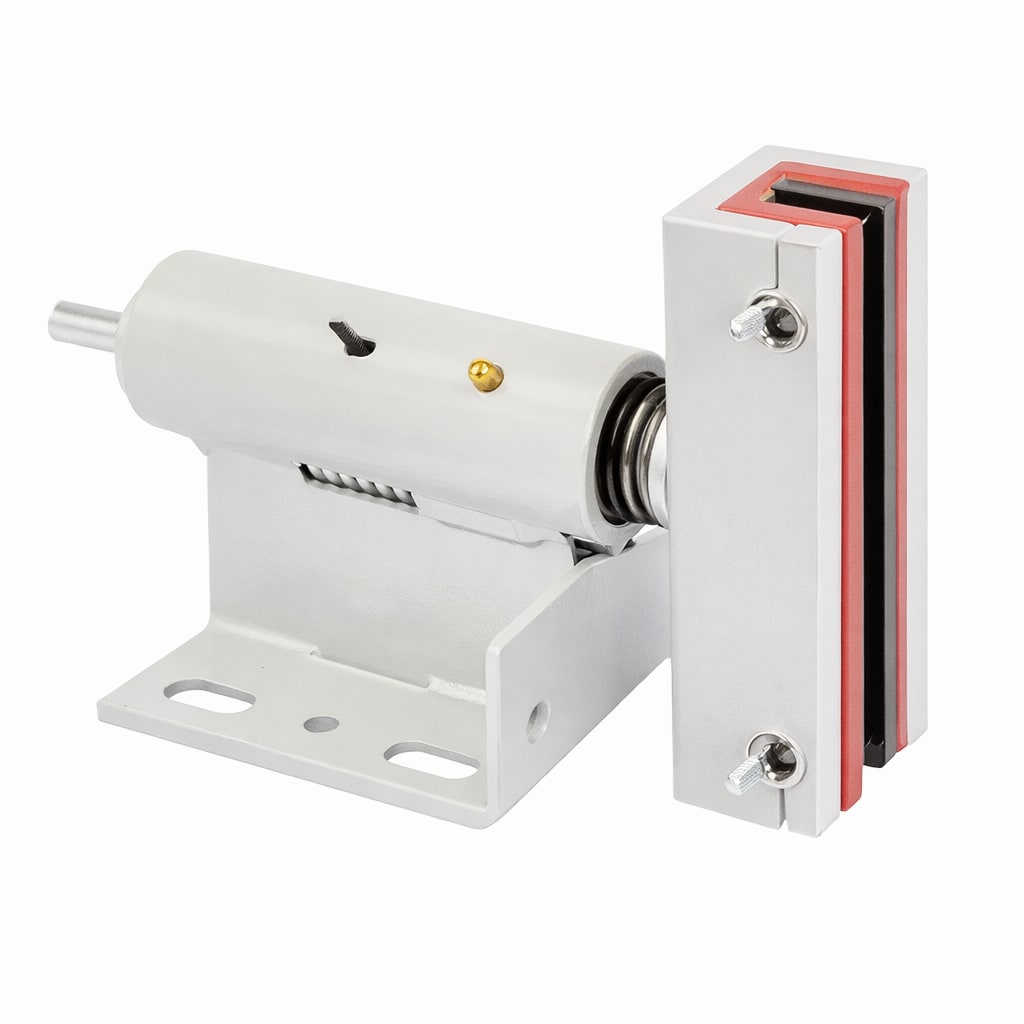
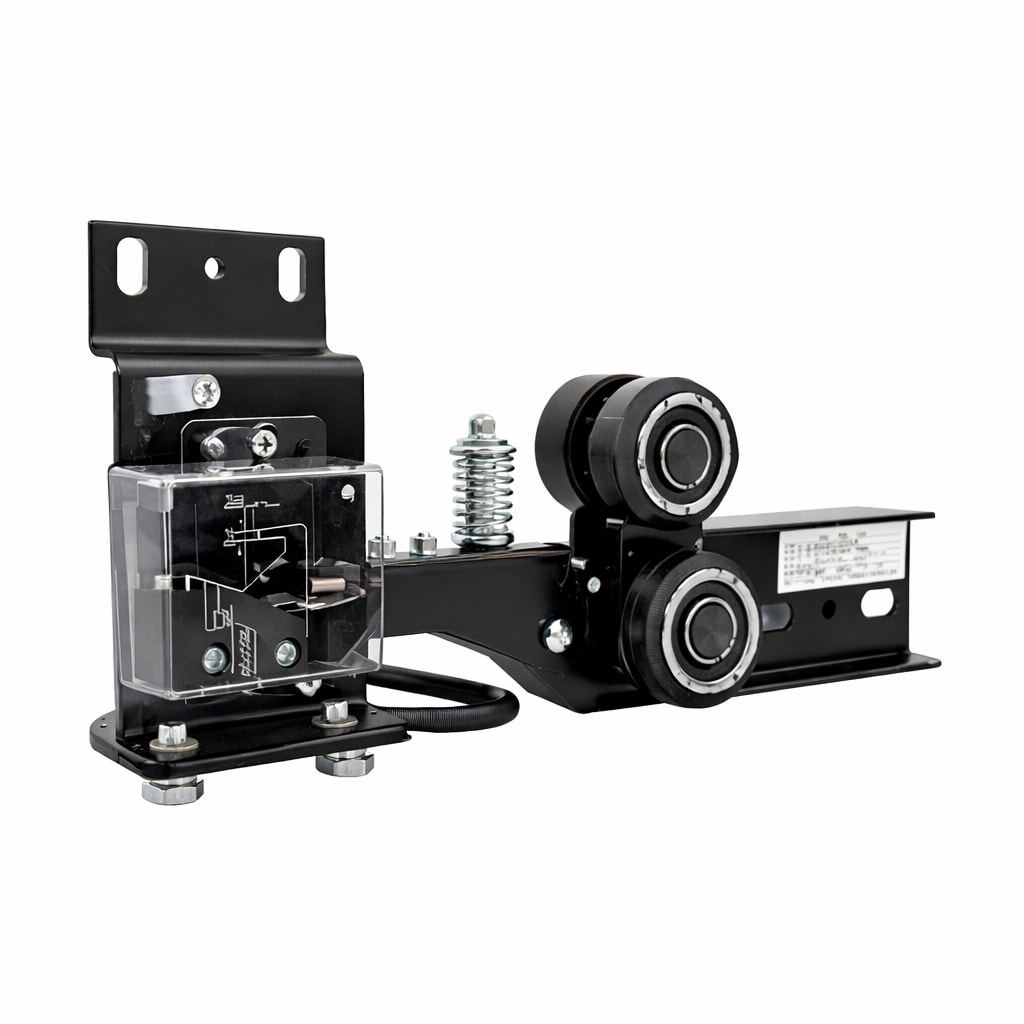
The Spring-Loaded Guide Shoe is a precision mechanical guiding component used in elevator systems to ensure smooth, vibration-free movement of the car or counterweight along the guide rails. Unlike rigid guide shoes, this type incorporates spring mechanisms that apply constant, controlled pressure on the guide rail, allowing automatic compensation for rail misalignment, joint irregularities, and minor installation tolerances. The spring action significantly reduces noise, absorbs shocks, and improves ride comfort, making it suitable for elevators where smooth travel and reduced wear on guide rails are critical.
The Elevator Wire Coil – 0.5 sq.mm is an electrical wiring component used in elevator control panels, car wiring, and auxiliary electrical circuits. It consists of a single copper conductor with a 0.75 square millimeter cross‑section, supplied in coil form for easy handling, cutting, and installation. This wire is suitable for control circuits, signal wiring, indicator connections, relay wiring, and internal panel connections where moderate current capacity and reliable conductivity are required. Manufactured using high‑quality copper with PVC or equivalent insulation, the wire offers good flexibility, electrical stability, and resistance to heat, vibration, and wear, making it ideal for elevator applications.
The Car Guide Shoe Assembly – 9 mm is a mechanical guiding component mounted on the elevator car frame to ensure smooth, stable, and accurately aligned travel along the guide rails. Designed specifically for 9 mm guide rail thickness, this assembly maintains proper car positioning within the shaft while minimizing lateral movement during operation. It helps absorb minor rail irregularities, reduce vibration and noise, and improve overall ride comfort. The assembly typically consists of a guide shoe body, replaceable liner or sliding surface, spring mechanism, and mounting hardware, ensuring reliable long‑term performance in elevator systems.
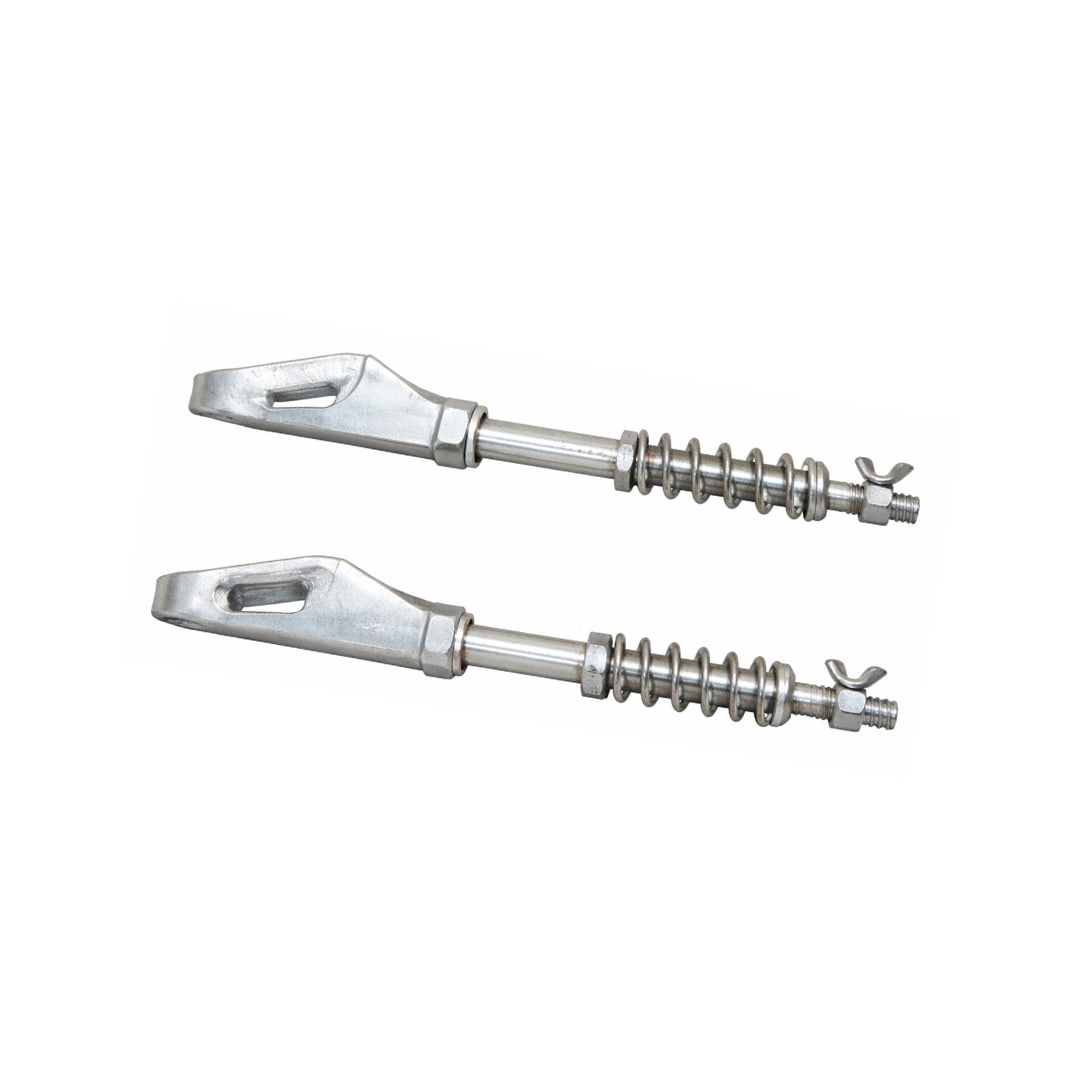
The Thimble Rod is a mechanical fastening and termination component used in elevator systems for securing wire ropes, governor ropes, or safety ropes. It is designed to work in combination with a rope thimble, ensuring proper load distribution and preventing rope deformation, bending damage, or wear at the termination point. Manufactured from high-strength steel, the thimble rod provides reliable anchoring, precise adjustment, and long-term durability under continuous dynamic loads, making it suitable for general elevator applications.
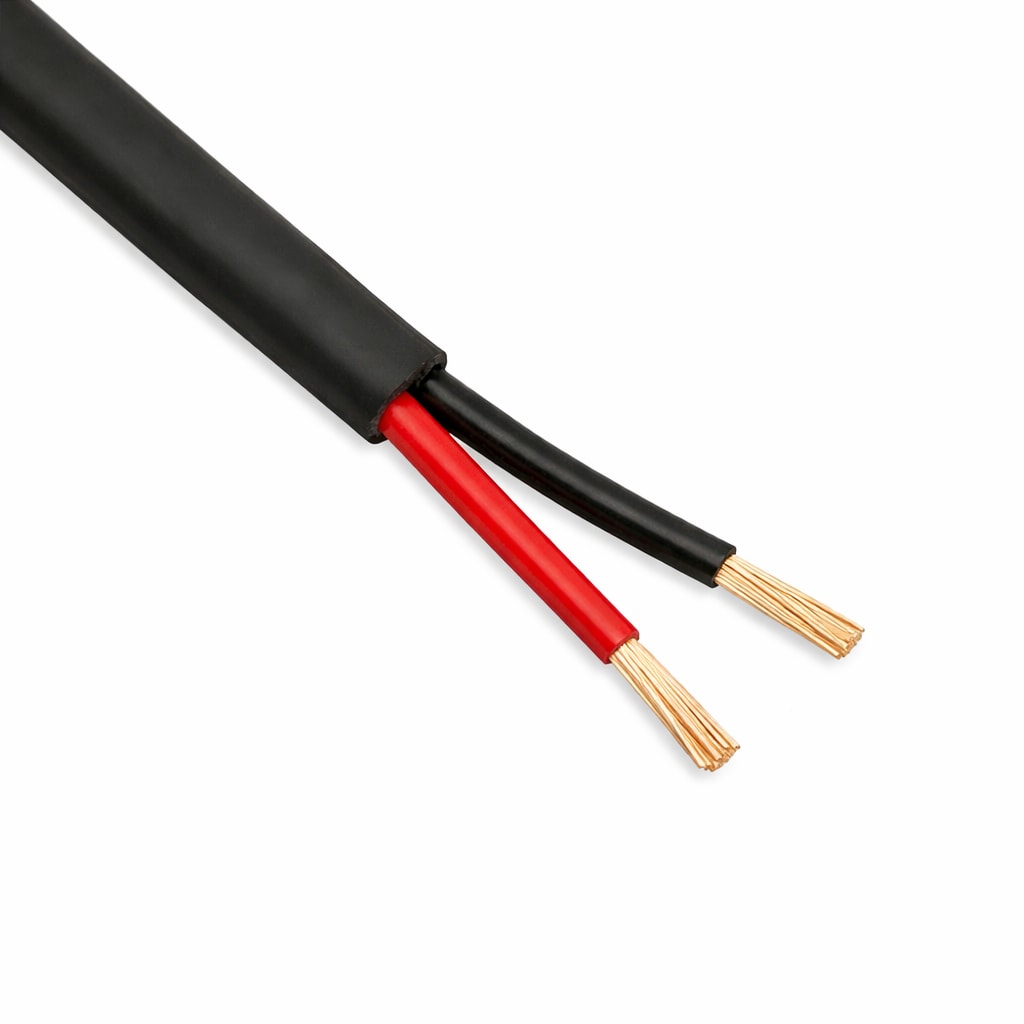
The 0.5 sq.mm 2 Core Cable is a flexible electrical cable commonly used in elevator control, signal, and auxiliary wiring applications. It consists of two insulated conductors, each with a 0.5 square millimeter cross‑section, suitable for low‑voltage and low‑current circuits within elevator systems. This cable is ideal for applications such as control signals, door circuits, indication lamps, sensors, and communication lines. It is manufactured using high‑quality copper conductors with PVC or equivalent insulation, providing good flexibility, reliable conductivity, and resistance to wear and vibration. The cable is suitable for use inside control panels, car wiring, and fixed or semi‑flexible elevator installations.
The Elevator Counterweight Guide Shoe Assembly – 9 mm is a mechanical guiding component mounted on the elevator counterweight frame to ensure smooth, stable, and accurately aligned vertical movement along the guide rails. It is specifically designed for 9 mm thick guide rails, maintaining proper counterweight positioning within the hoistway during elevator operation. This assembly controls lateral movement of the counterweight, absorbs minor guide rail irregularities, and reduces vibration and noise. By ensuring stable counterweight travel, it helps maintain system balance, improves ride quality, and enhances the overall reliability and Service life of the elevator system. The assembly typically includes a guide shoe body, replaceable liner or sliding insert, spring mechanism, and mounting hardware.
The Cable Bracket is a mechanical support component used in elevator systems to securely hold, route, and manage electrical cables such as travelling cables, control wires, and power lines. Installed inside the lift shaft, car frame, or machine room, the bracket ensures proper cable alignment, prevents sagging, twisting, or mechanical stress, and protects cables from abrasion during elevator operation. Manufactured from high-strength metal with corrosion-resistant finishing, cable brackets provide long-term durability and reliable cable management in demanding elevator environments.
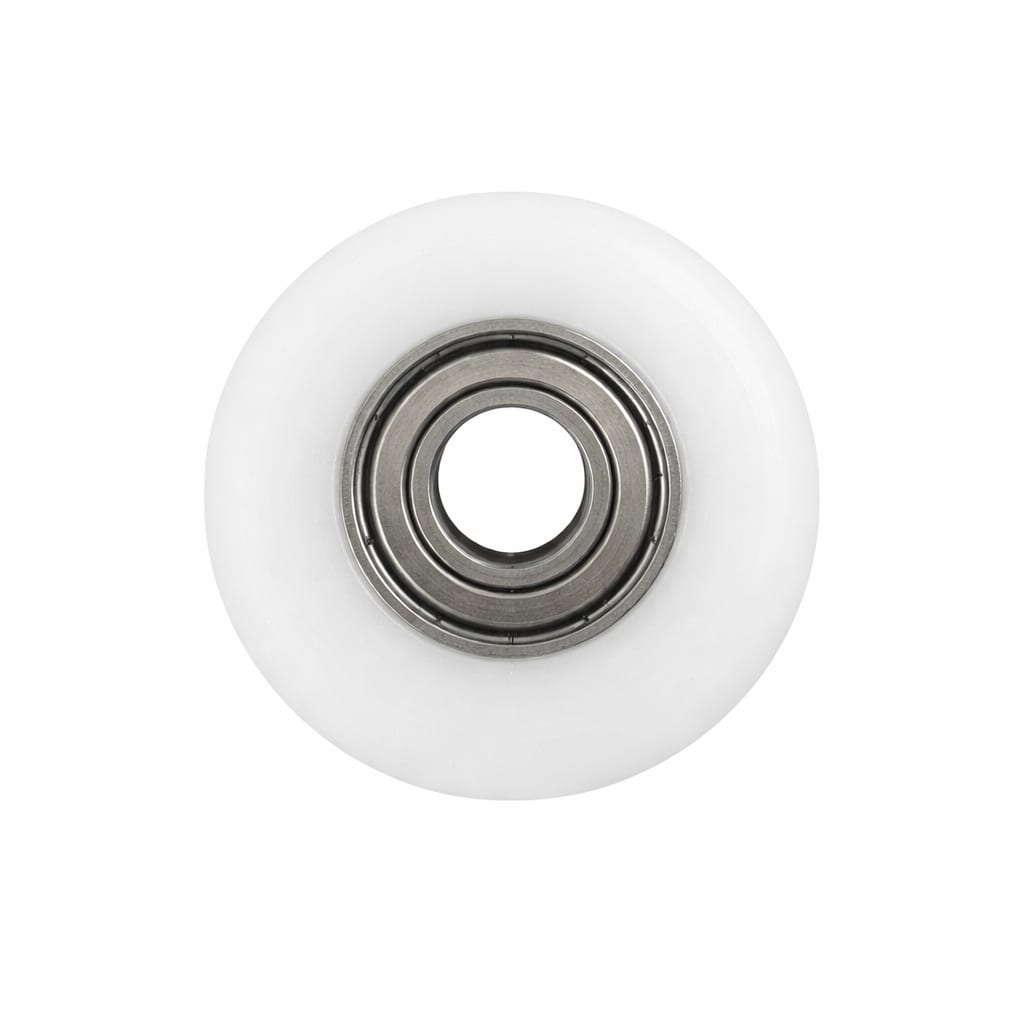
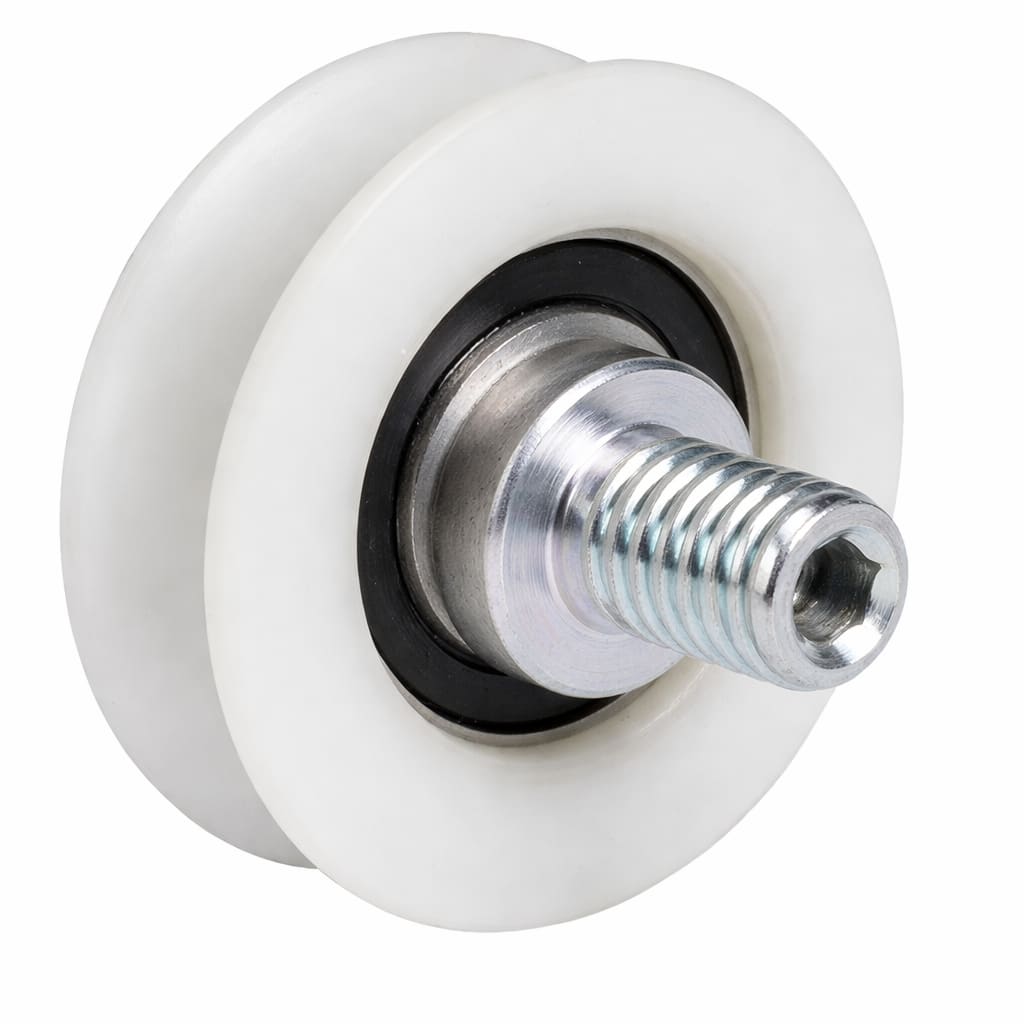
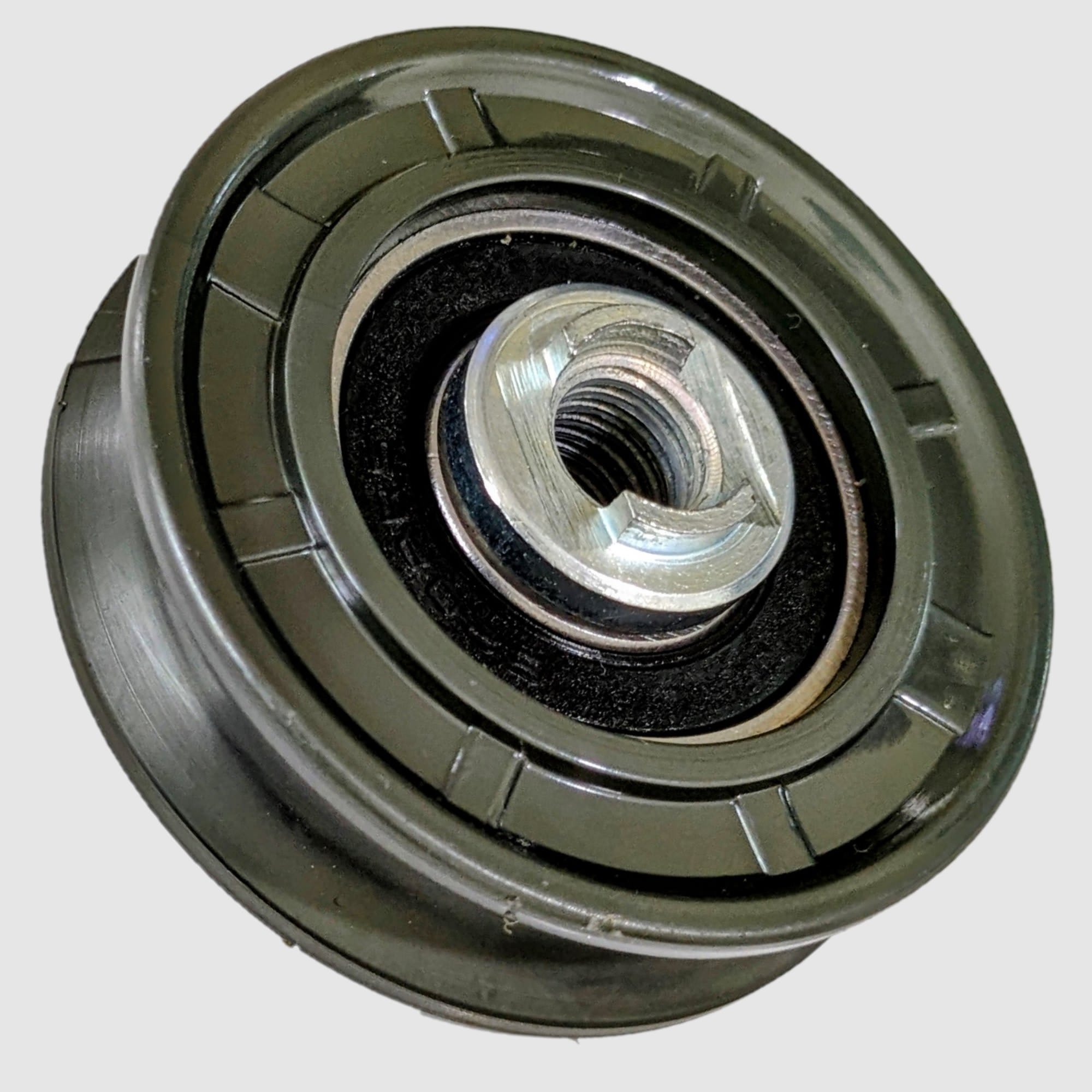
The Elevator Door Rope Roller – Ø47 mm is a mechanical guiding component used in elevator door operating systems to support and guide the door rope or cable smoothly during opening and closing operations. With a 47 mm diameter, the roller provides stable rope movement, reduced friction, and consistent door operation. This component helps maintain proper rope alignment, minimizes wear on the rope, and reduces operating noise and vibration. It is typically manufactured from high‑strength material with a wear‑resistant roller surface and precision bearings, ensuring smooth rotation and long Service life. Door rope rollers are commonly used in automatic elevator door mechanisms for passenger and goods elevators.
The Elevator Roller Assembly – Ø32 mm is a precision mechanical component used in elevator systems for smooth guidance, load support, and friction reduction. It is commonly applied in roller guide shoes, guiding mechanisms, and alignment assemblies, where reliable rolling performance is essential. With a 32 mm diameter roller, this assembly offers improved load‑carrying capacity and stable rolling action. The pre‑assembled design typically includes a high‑strength roller wheel, precision bearings, shaft or pin, spacers, and mounting hardware, ensuring easy installation and consistent performance. By reducing sliding contact, the Ø32 mm roller assembly helps minimize wear, vibration, and operating noise, contributing to long Service life and improved elevator ride quality.
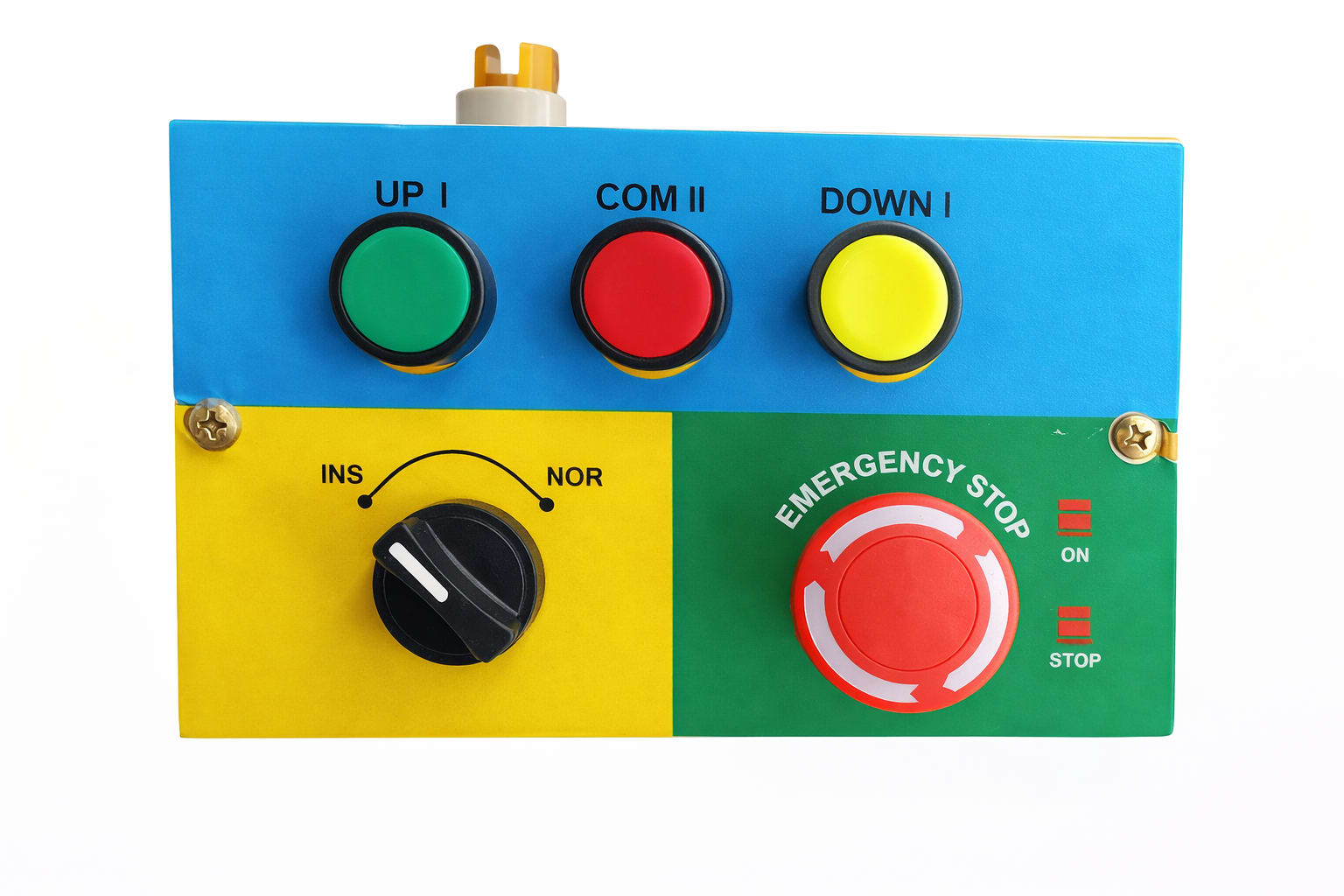
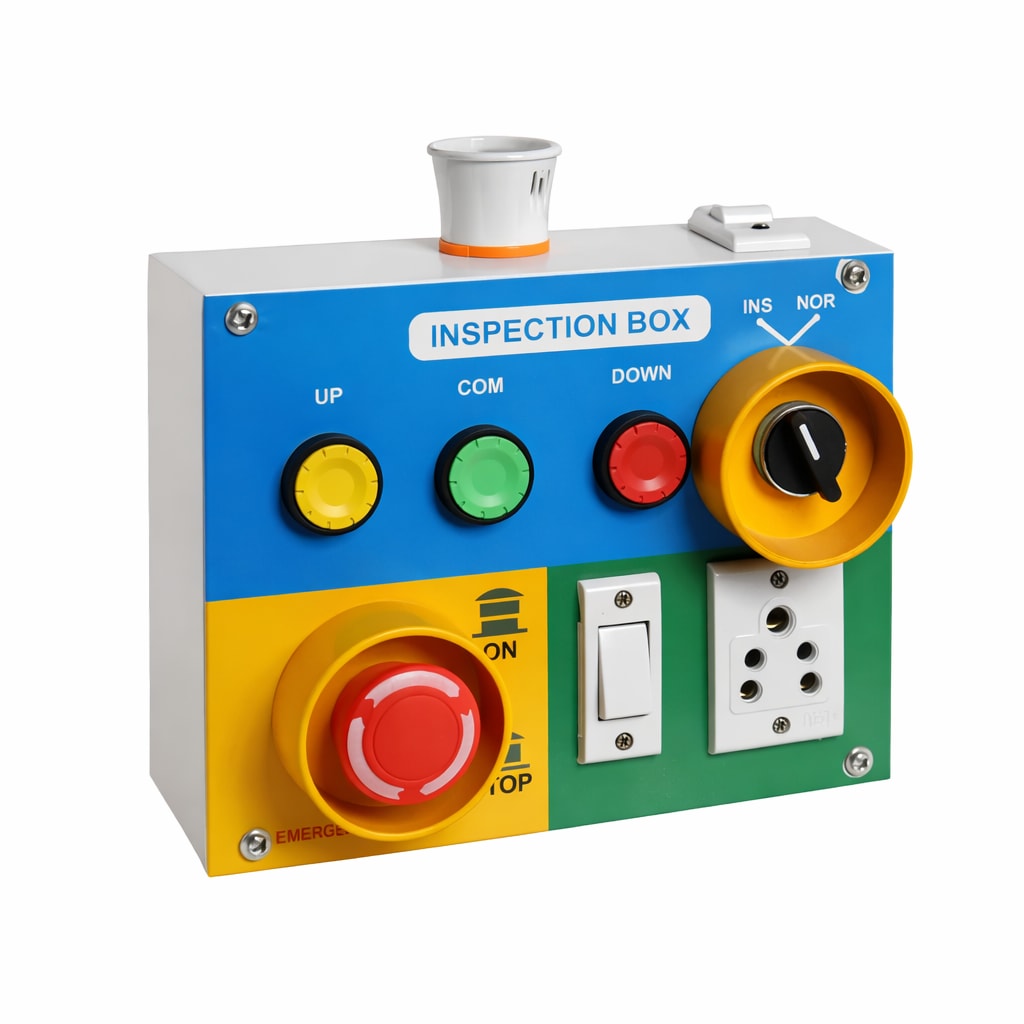
The Inspection Box is an essential electrical control unit used during elevator installation, inspection, testing, and maintenance operations. It provides manual control of elevator movements at reduced speed, allowing technicians to safely operate the lift car from the car top or pit area. The inspection box typically includes push buttons for UP, DOWN, STOP, emergency stop switch, and status indicators, ensuring precise control and enhanced safety during Service activities. It is designed to integrate seamlessly with the elevator control system and safety circuit.
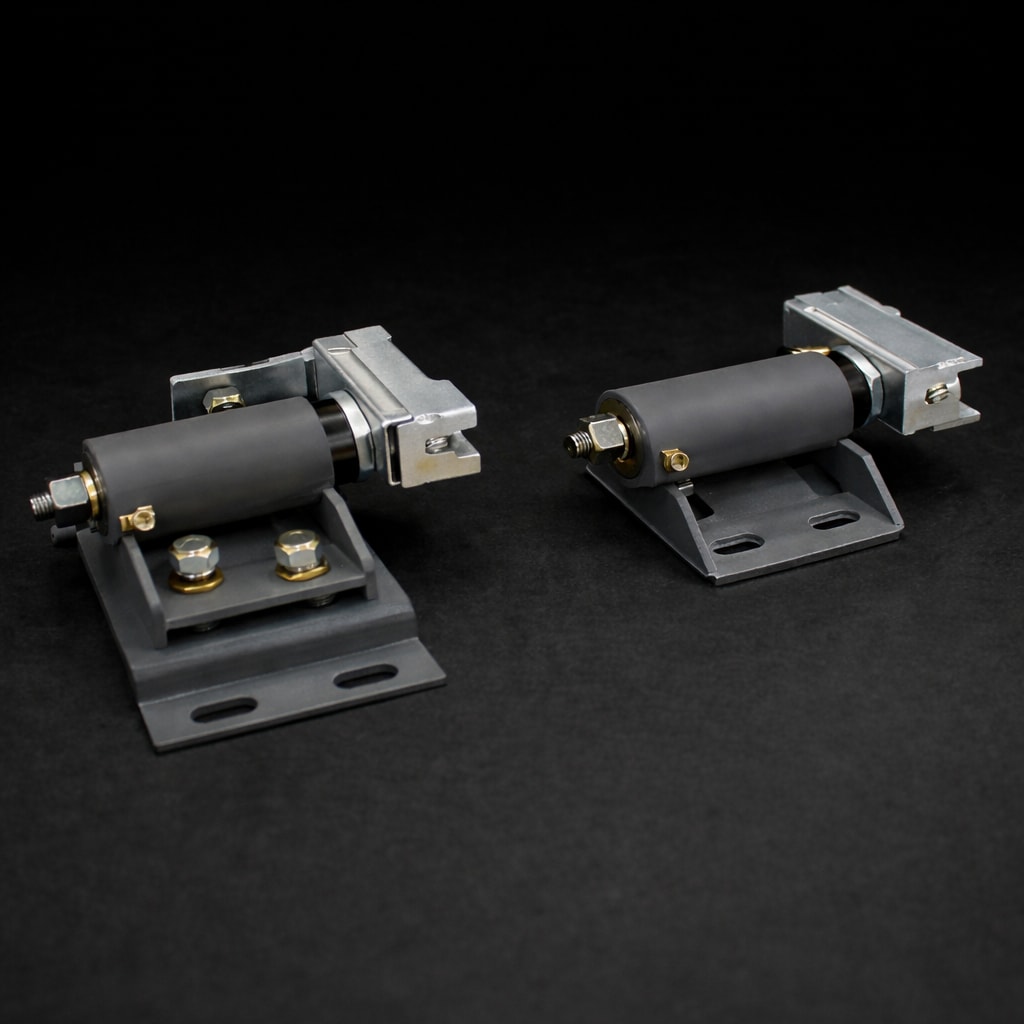
The Ø30 mm Eccentric Roller is a precision mechanical component used in elevator systems for adjustment, alignment, and controlled guidance applications. It is commonly employed in roller guide shoes, door mechanisms, and guiding assemblies, where fine positional adjustment is required. The eccentric design allows the roller position to be adjusted by rotating the roller shaft, enabling accurate alignment with guide rails or mating components. This helps compensate for installation tolerances, reduce vibration, and ensure smooth, noise‑free operation. Manufactured from high‑strength steel with a wear‑resistant roller surface, the Ø30 mm eccentric roller is designed for durability and reliable long‑term performance in elevator environments.
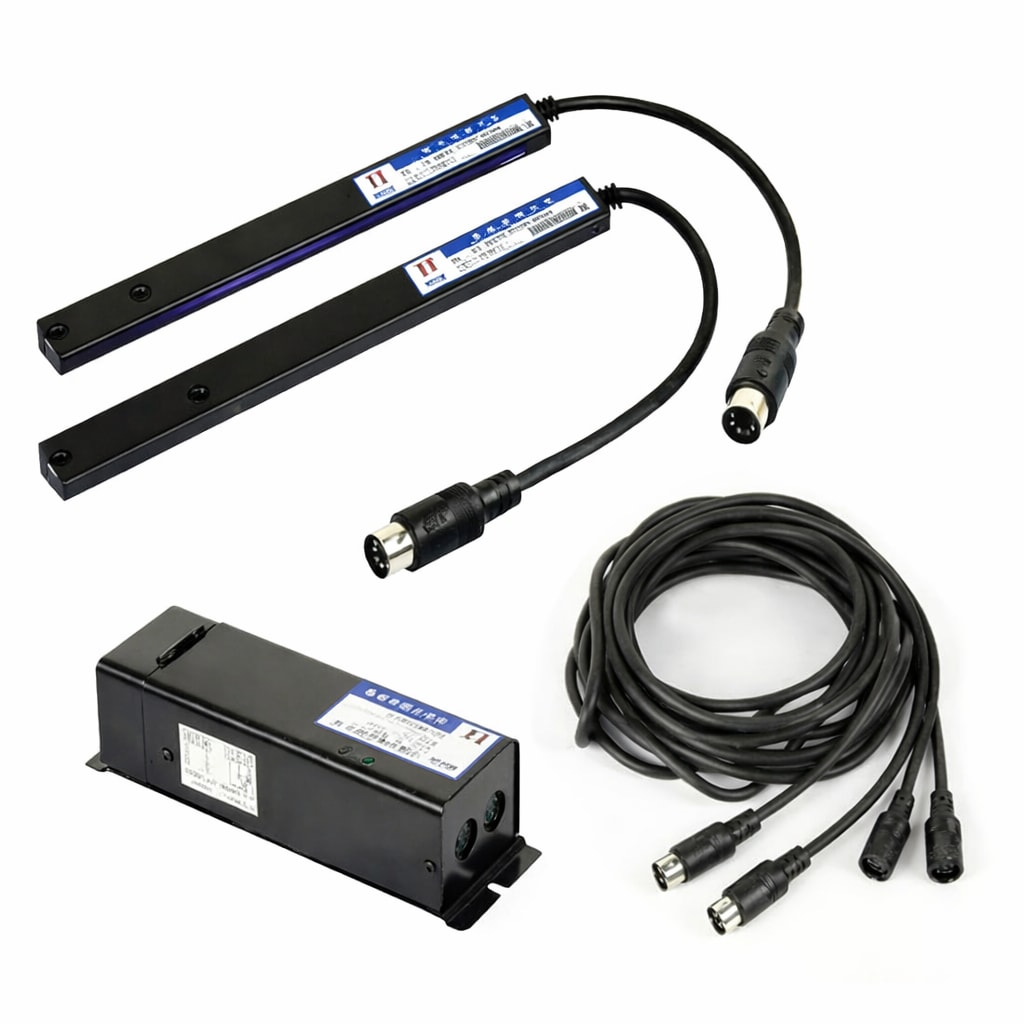
The Elevator Door Sensor is an electronic safety device used to detect the presence of passengers or obstructions in the elevator doorway during door closing operations. It continuously monitors the door zone and sends signals to the elevator controller to prevent door closure when an object or person is detected. Door sensors enhance passenger safety, reduce mechanical wear on doors, and ensure smooth, obstruction-free operation. They are commonly based on infrared (IR) light curtain or photoelectric sensing technology and are compatible with automatic elevator door systems.
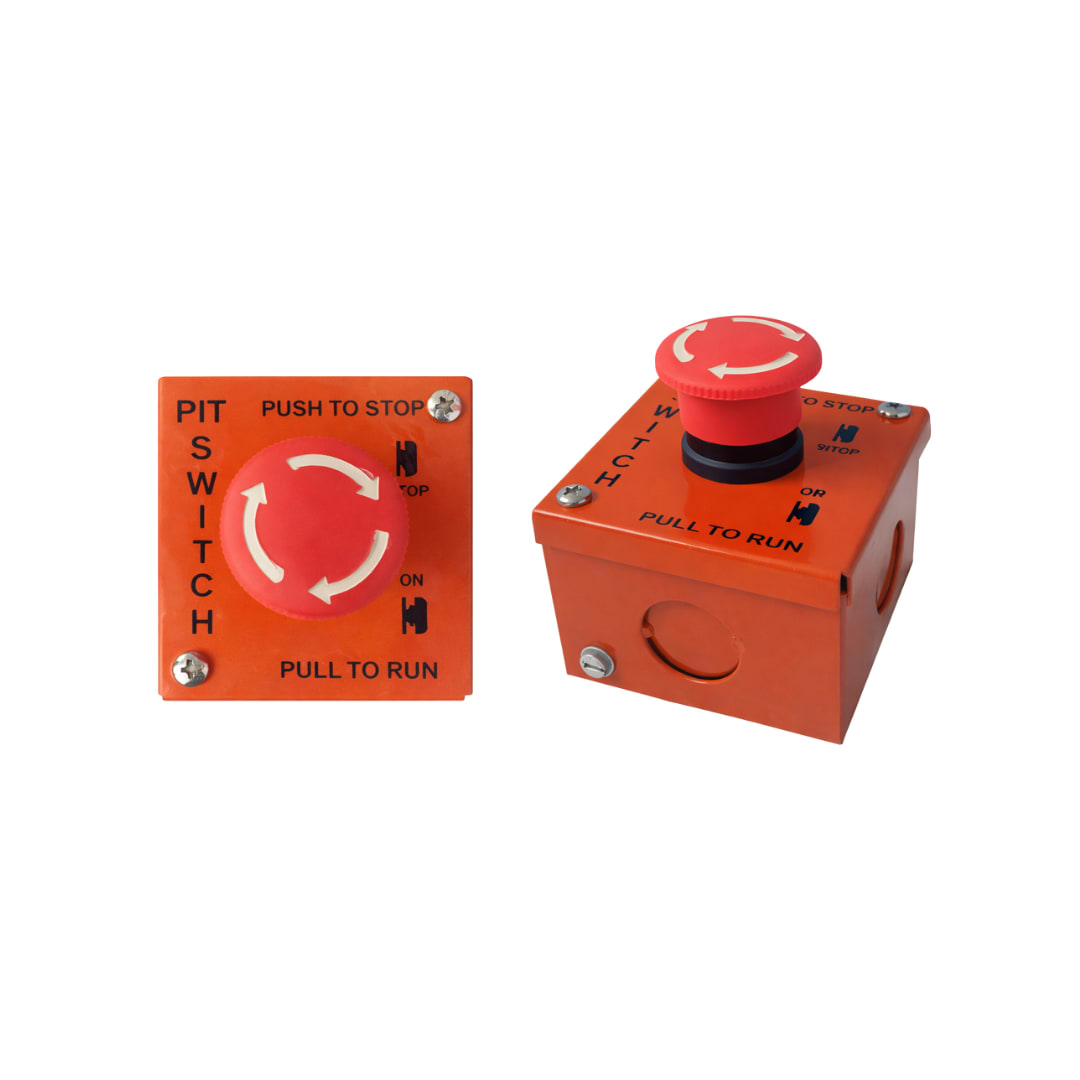
The Pit Stop Switch is a mandatory safety control device installed inside the elevator pit to immediately stop elevator movement during inspection, maintenance, or emergency situations. It allows service personnel to safely disable elevator operation while working in the pit area, preventing accidental car movement and ensuring compliance with elevator safety standards. Designed for rugged environments, the pit stop switch features a positive-opening contact mechanism, clear ON/OFF indication, and durable construction suitable for moisture- and dust-prone pit conditions.
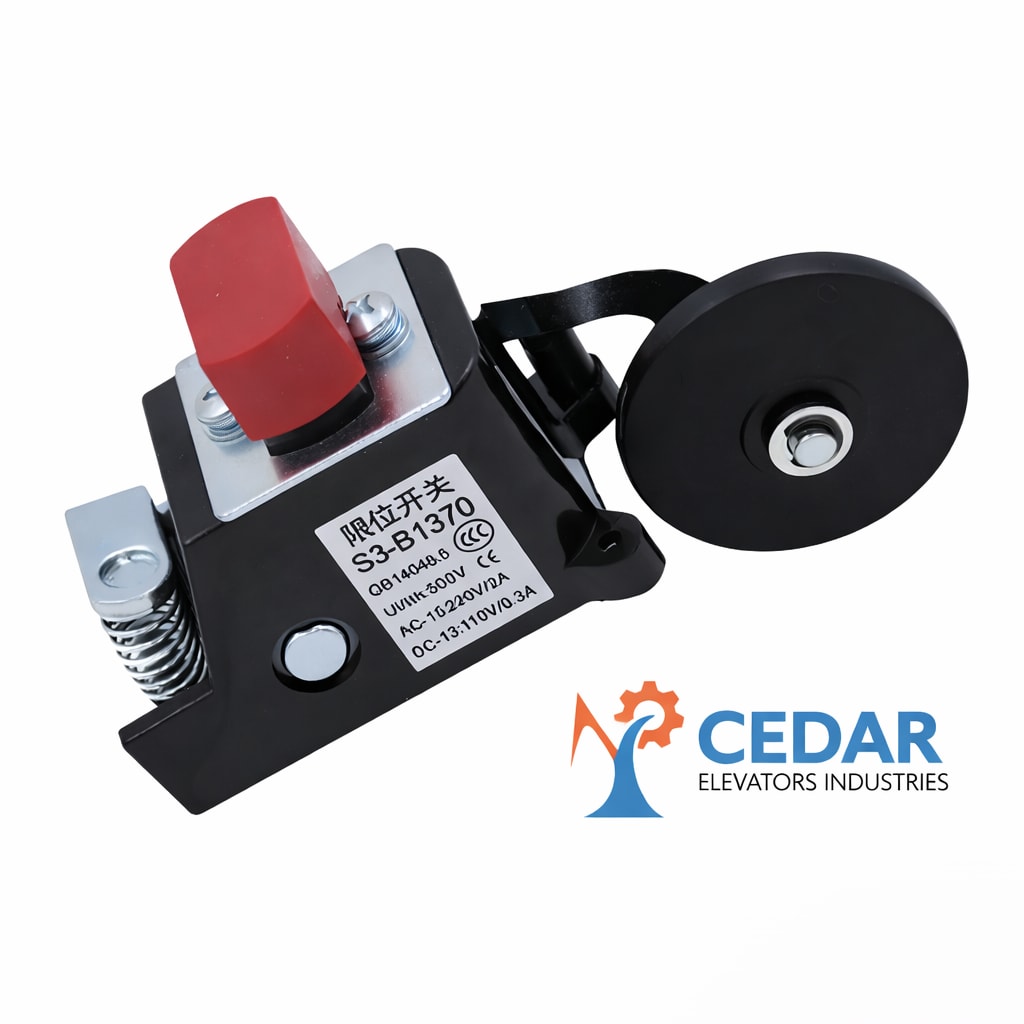
The NC Limit Switch (Normally Closed) is a critical electro-mechanical safety and control component used in elevator systems to detect position limits and ensure safe operation. In its normal state, the electrical circuit remains closed, allowing current flow. When the actuator is engaged (due to car, counterweight, or mechanical movement reaching a preset position), the switch opens the circuit, immediately sending a stop or safety signal to the controller. NC limit switches are widely used for over-travel protection, door zone sensing, leveling reference, and safety interlocks, ensuring fail-safe behavior in elevator applications.
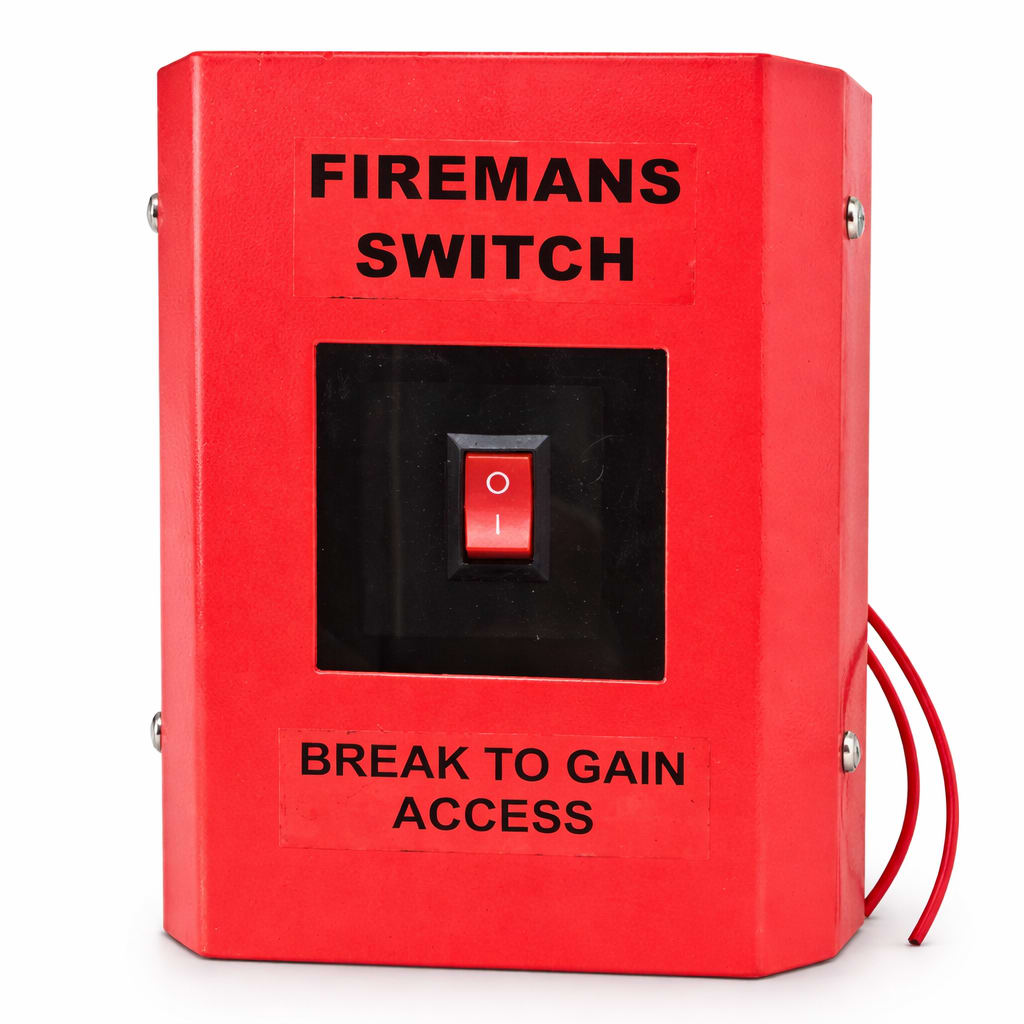
The Elevator Fireman Switch is a critical safety and emergency control device used in elevator systems to provide manual control to authorized personnel during fire or emergency situations. It allows firefighters or emergency responders to override normal elevator operation and take direct control of the elevator car as per fire safety regulations. The switch is typically installed on the landing panel or control panel and is operated using a special key to prevent unauthorized use. When activated, it places the elevator into fireman Service mode, disabling automatic calls and enabling controlled operation. Manufactured with robust materials and reliable electrical contacts, the fireman switch is designed for durability, clear operation, and compliance with standard elevator safety requirements.
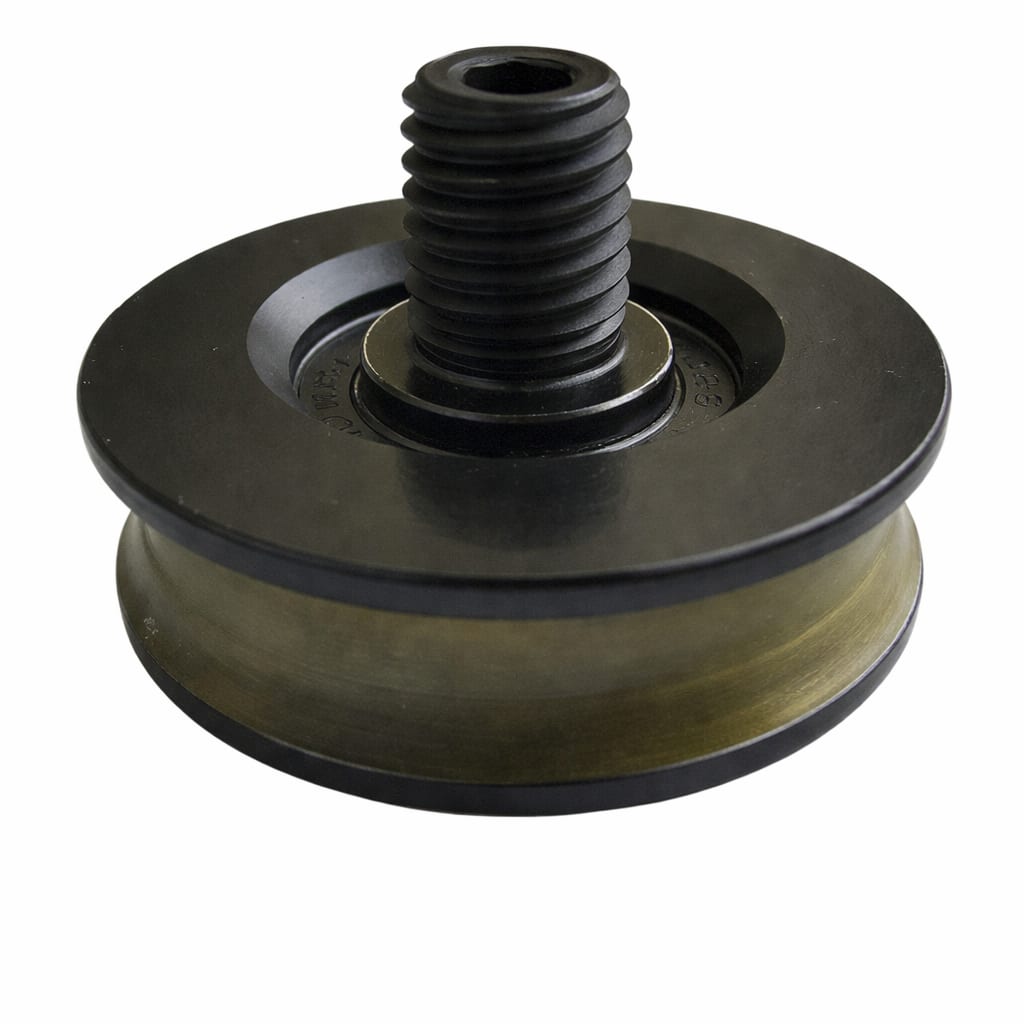
The Elevator Door Track Roller is a mechanical guiding component used in elevator door systems to ensure smooth, stable, and aligned movement of sliding doors along the door track. It supports the weight of the door panel and allows it to roll effortlessly during opening and closing operations. The roller helps reduce friction between the door and the track, minimizing wear, vibration, and operating noise. It is typically manufactured using high‑strength materials with a durable roller surface and precision bearings, ensuring smooth rotation, long Service life, and reliable door performance. Door track rollers are widely used in automatic elevator doors for passenger and goods elevators.
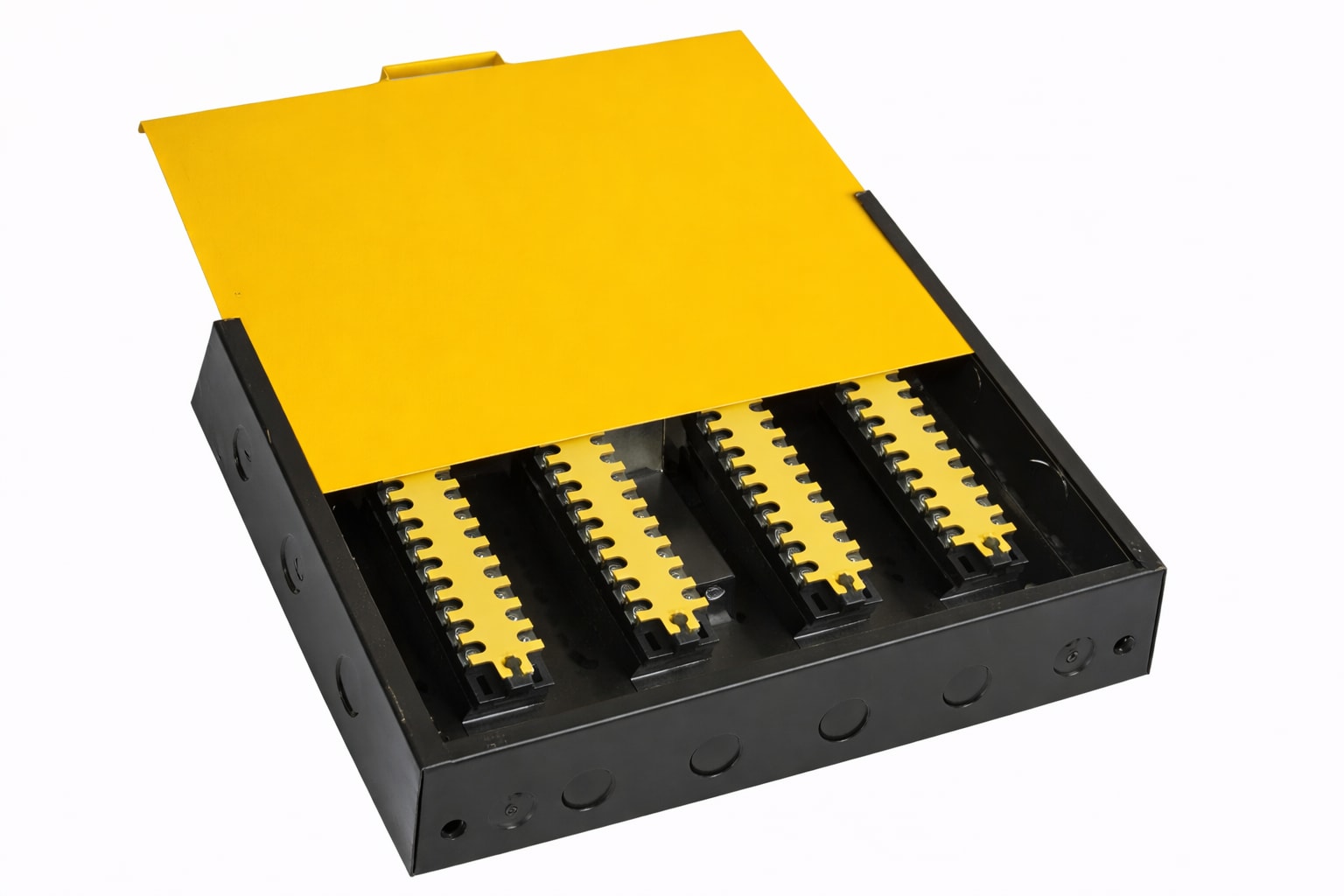
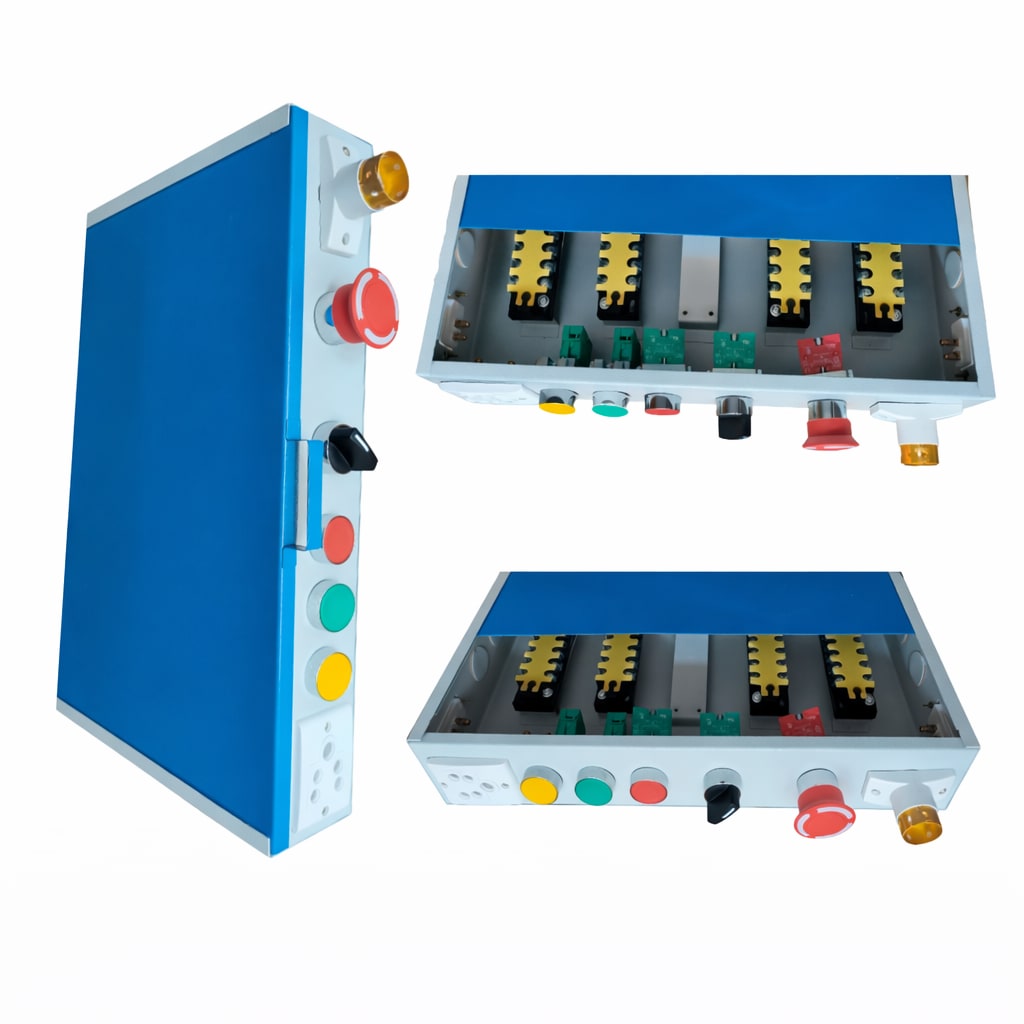
The Elevator Junction Box is an electrical enclosure used to house and protect control components, terminals, switches, and wiring connections in elevator systems. It acts as a centralized point for safe electrical distribution, inspection operations, and maintenance control. Designed with a robust metal body and clearly segregated internal layout, the junction box ensures secure wiring management, easy access during servicing, and reliable operation in demanding elevator environments such as shafts, machine rooms, and pit areas. It typically accommodates push buttons, selector switches, emergency stop buttons, terminal blocks, and connectors as per system requirements.
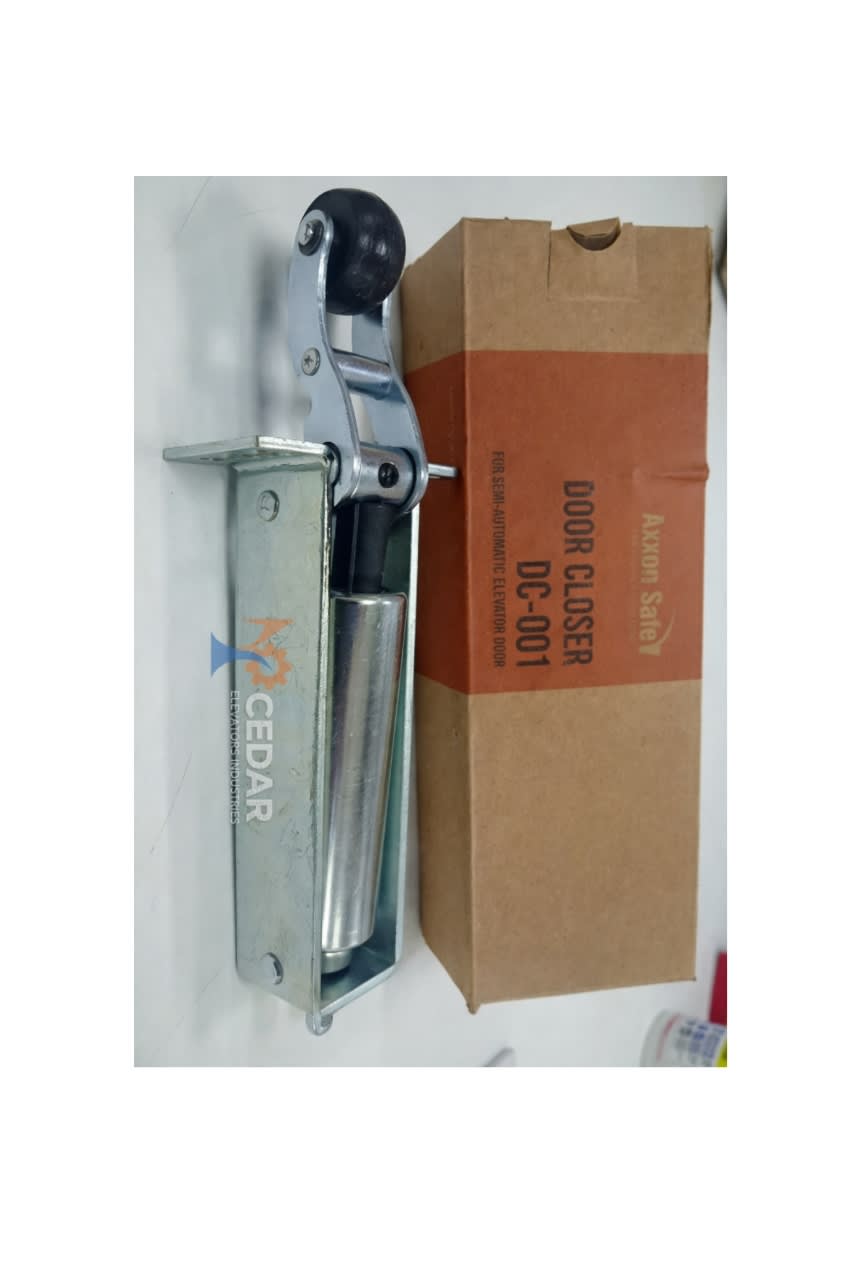
An Elevator Door Closer is an essential safety and control component designed for semi-automatic elevator doors. It helps the door close gently and securely after being opened, preventing sudden slamming and ensuring passenger safety. The door closer works using a spring and hydraulic damping mechanism, which controls the closing speed and force of the door. This ensures smooth operation, reduces noise, and minimizes wear and tear on door panels and locking mechanisms. Manufactured with high-quality metal components, the door closer is durable, reliable, and suitable for continuous elevator operation. It is easy to install and maintain, making it ideal for residential and commercial elevator applications. Door closers improve safety, enhance door life, and ensure compliance with elevator operational standards.
38 products
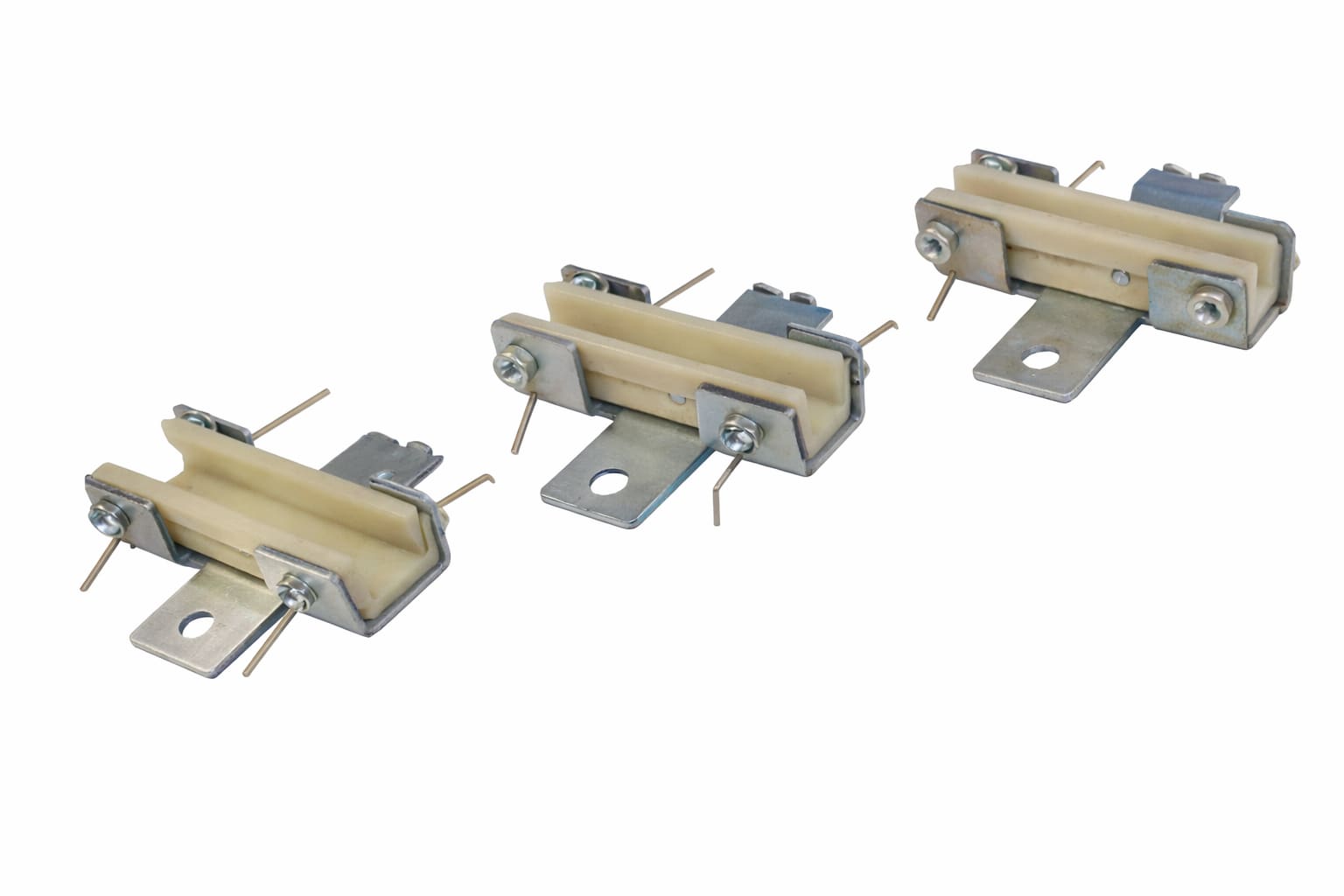
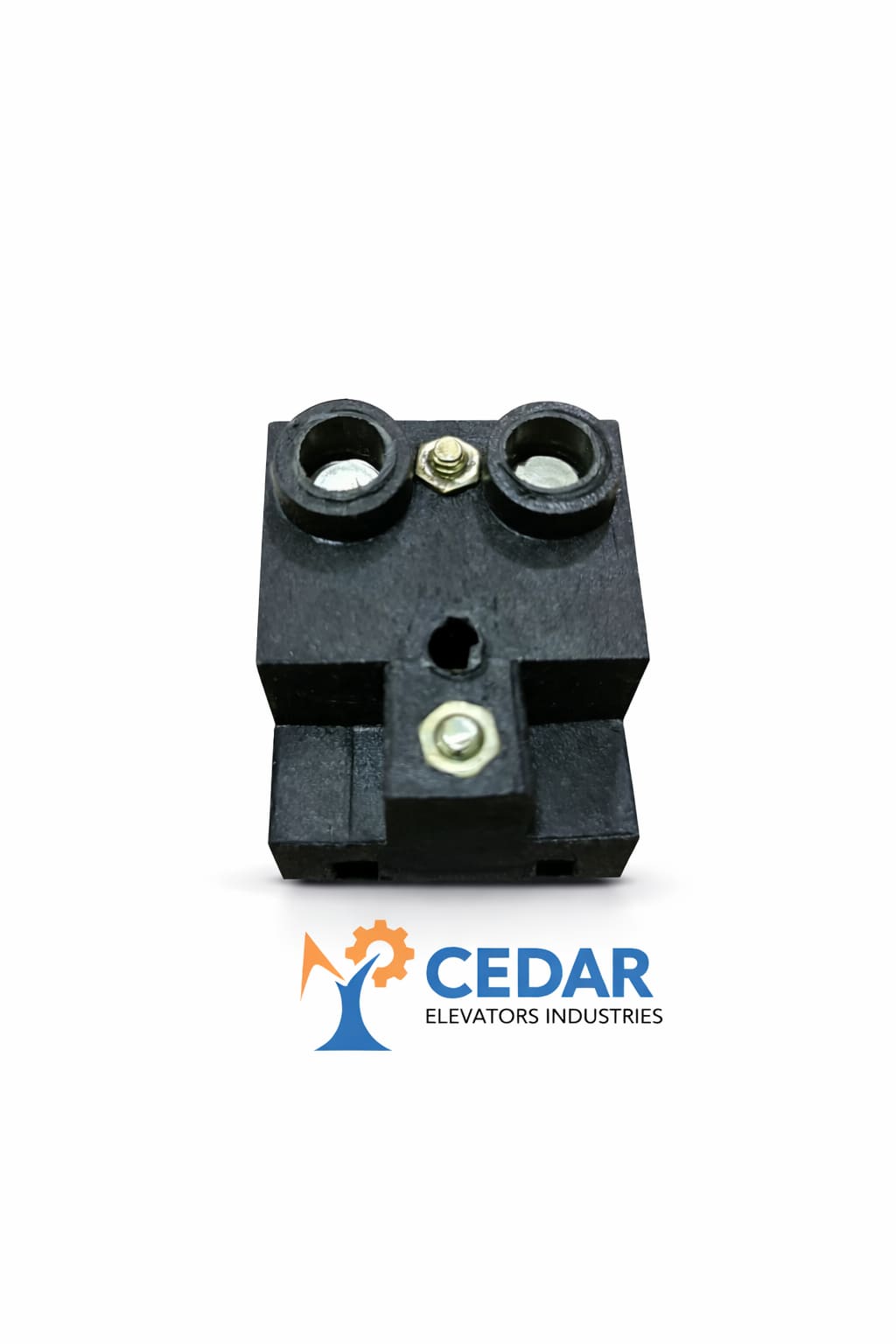
A Swing Door Gate Lock Element is a safety locking component used in elevator swing doors to ensure the door remains securely locked during elevator operation The Swing Door Gate Lock Element is a critical elevator safety component designed to prevent the swing door from opening while the elevator is in motion or not aligned with the landing. It works as part of the elevator door interlock system, ensuring safe passenger entry and exit. Manufactured from high-strength engineering plastic and metal fasteners, this lock element provides reliable performance, durability, and resistance to wear. It ensures precise engagement with the locking mechanism, helping the elevator control system detect correct door closure before allowing movement. This component is widely used in manual and semi-automatic swing door elevators and plays a vital role in meeting safety standards, reducing accidents, and maintaining smooth elevator operation in residential and commercial installations.
The Elevator J‑Type Bracket is a structural mounting component used in elevator door systems, panels, sensors, rollers, and auxiliary assemblies. Its distinctive “J” shaped design provides secure support and proper positioning of attached components while allowing easy installation and alignment. This bracket is commonly used for fixing door mechanisms, rope rollers, switches, or guide components within the elevator system. Manufactured from high‑strength metal with corrosion‑resistant finish, the J‑type bracket ensures durability, load stability, and long Service life under continuous elevator operation.
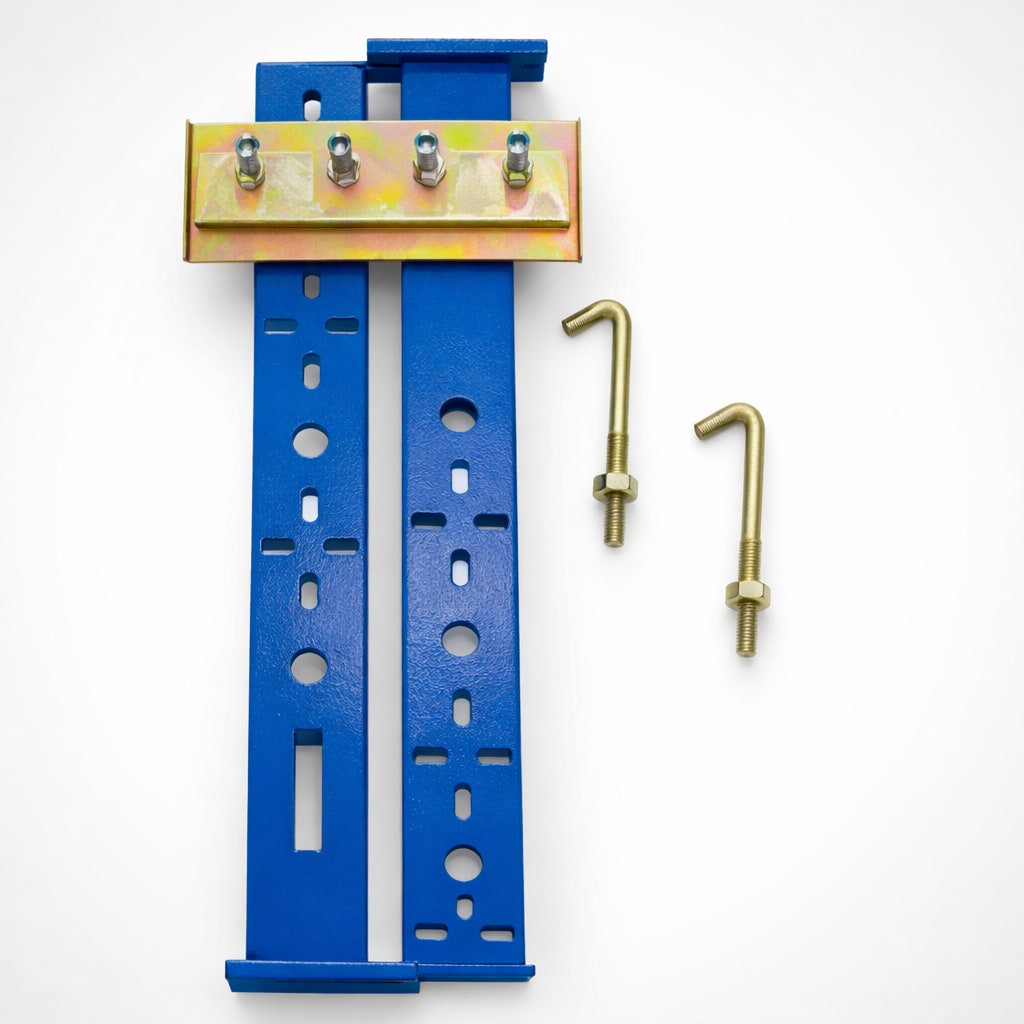
A Guide Clip is an essential elevator component designed to firmly hold the guide rails in alignment within the elevator shaft. It ensures stable and precise positioning of the rails, allowing the elevator car and counterweight to travel smoothly and safely without vibration or misalignment. Manufactured from high-strength steel or durable metal alloys, guide clips are engineered to withstand heavy loads, continuous operation, and long service life. Proper installation of guide clips helps reduce noise, prevents rail movement, and enhances overall elevator safety and performance. Guide clips are available in different sizes and designs to suit various rail types and installation requirements, making them suitable for residential, commercial, and industrial elevator applications
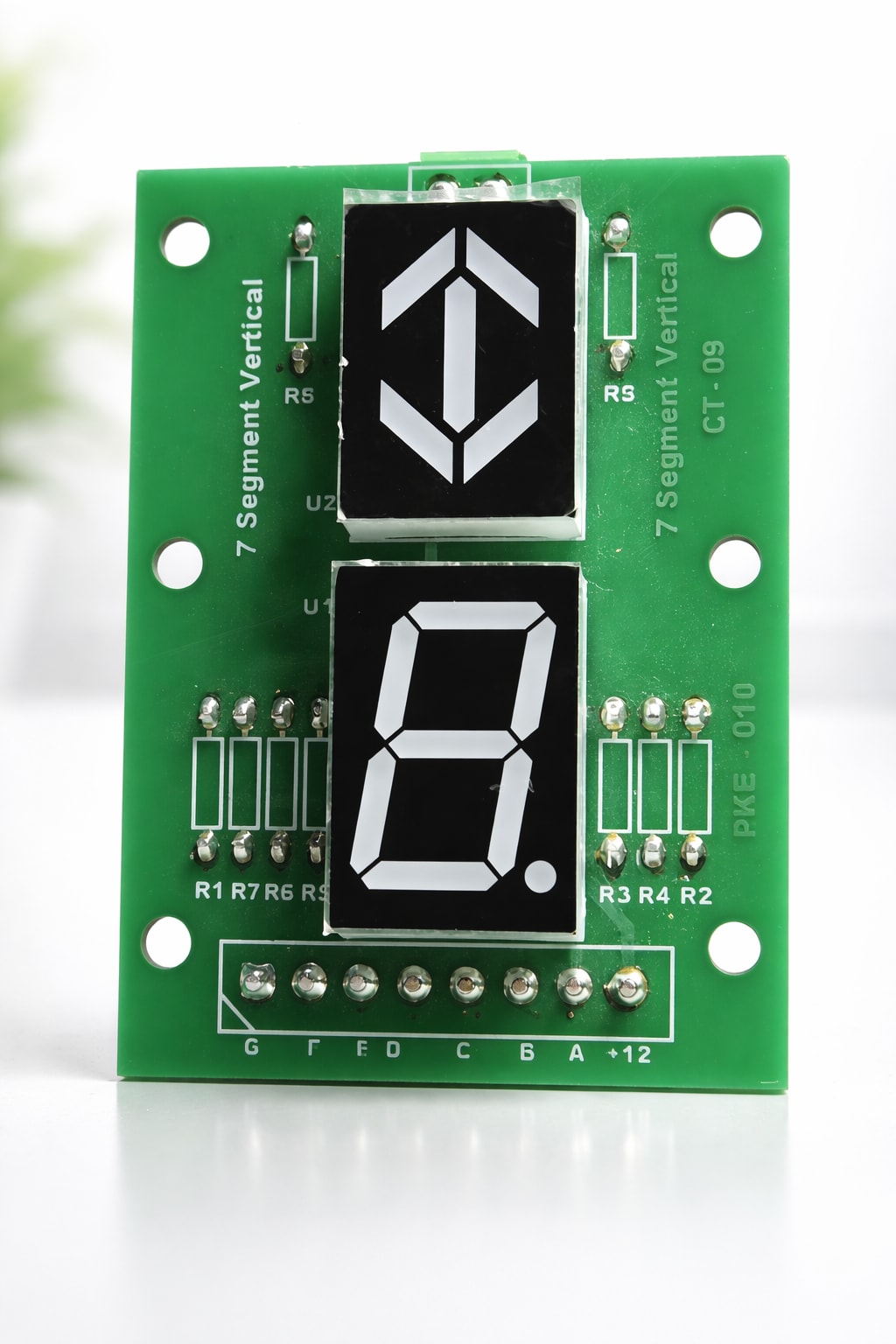
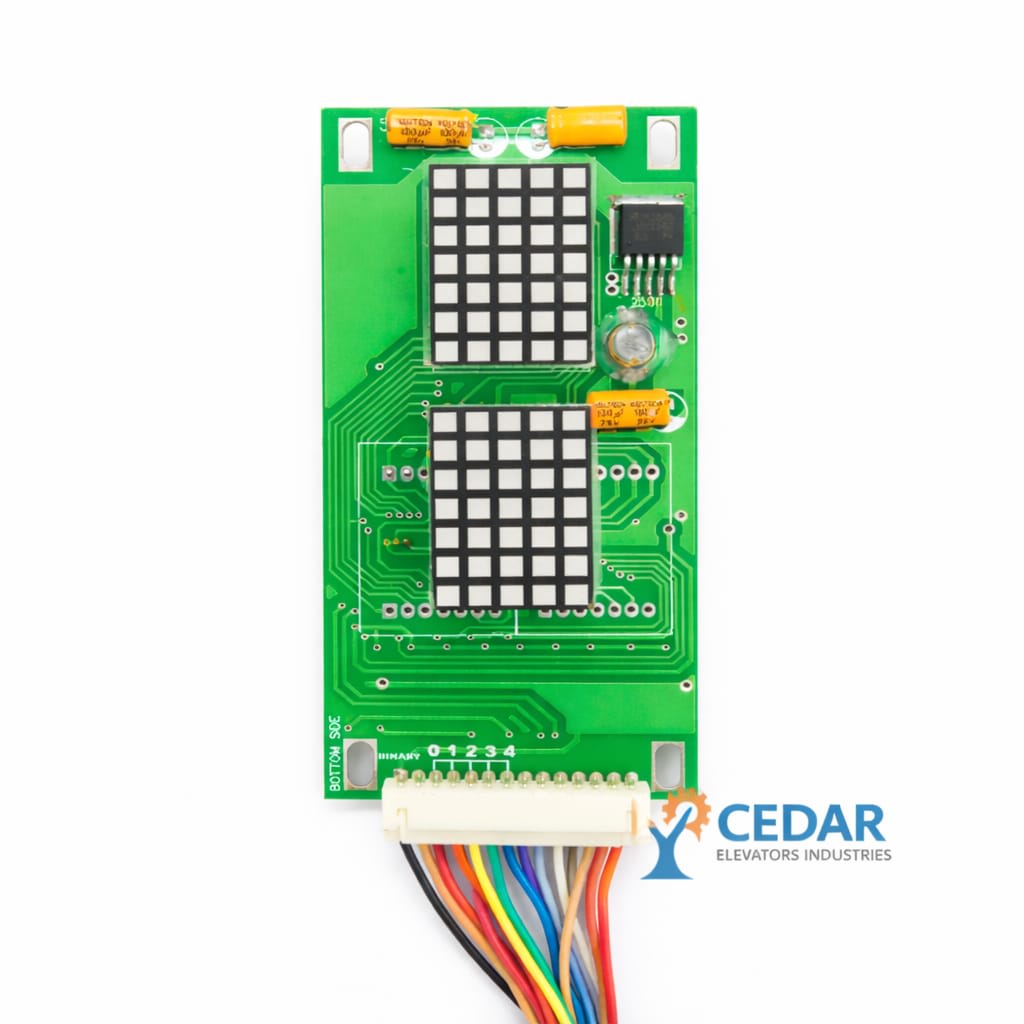
A 7 Segment Display is an electronic display unit used in elevators to show floor numbers, direction, and system status clearly to passengers.
The Junction with Inspection Box is an integrated electrical unit that combines an inspection control box with internal terminal junctions for organized wiring connections. It is used during elevator installation, inspection, testing, and maintenance to provide manual control of elevator movement while also serving as a centralized point for electrical cable termination and distribution. This unit allows maintenance personnel to safely operate the elevator in inspection mode while ensuring neat, secure, and reliable interconnection of control, safety, and signal cables. The combined design reduces wiring complexity, improves troubleshooting efficiency, and enhances overall system safety.
The Elevator Counterweight Guide Shoe Liner – 9 mm is a replaceable wear component fitted inside the counterweight (CWT) guide shoe assembly. It is specifically designed for use with 9 mm thick guide rails, providing a smooth sliding surface between the counterweight guide shoe and the rail. The liner reduces friction, vibration, and noise during elevator operation while protecting the guide rail and guide shoe body from excessive wear. Manufactured from high wear‑resistant materials, it ensures stable counterweight movement, consistent performance, and easy replacement during routine maintenance.
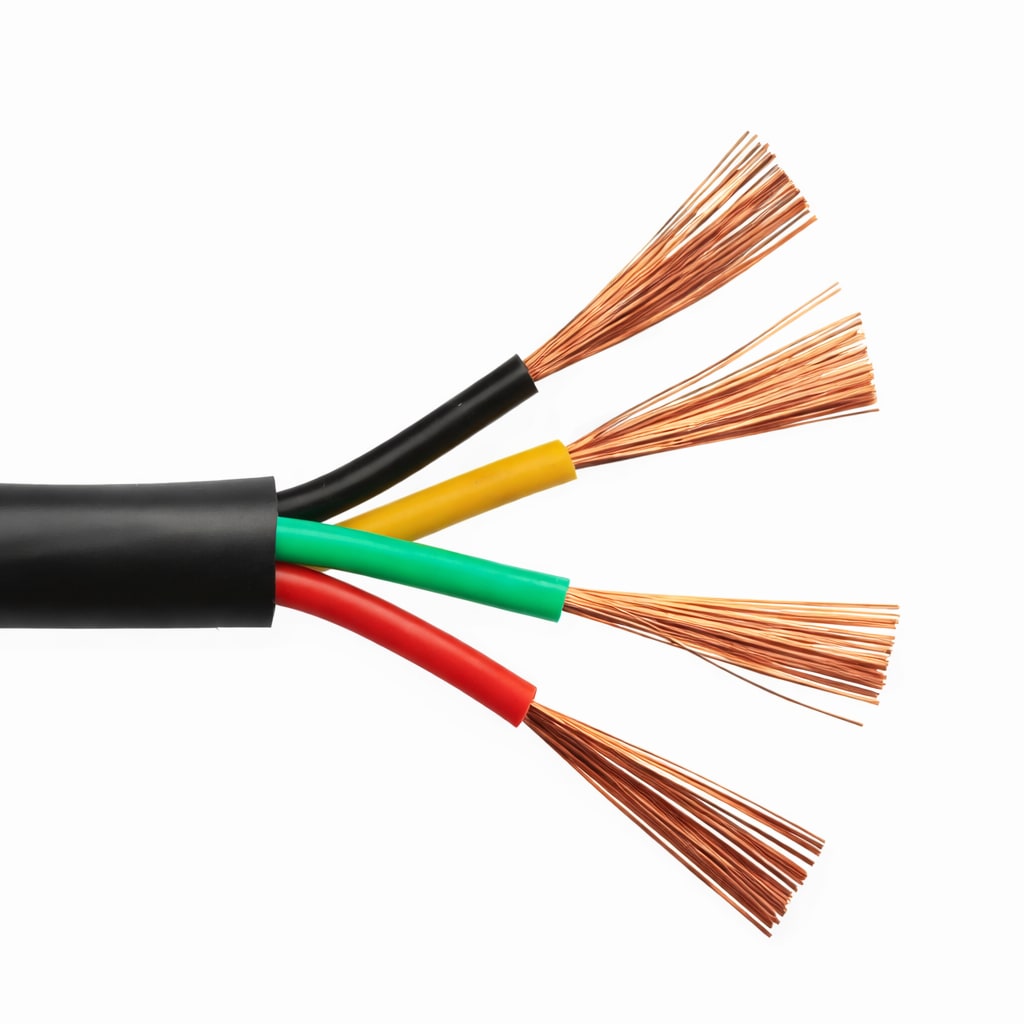
The Elevator 0.5 sq.mm 4 Core Cable is a flexible electrical cable designed for control, signal, and auxiliary wiring applications in elevator systems where multiple circuits are required. It consists of four insulated copper conductors, each with a 0.5 square millimeter cross‑section, suitable for low‑voltage and low‑current applications. This cable is commonly used for control circuits, door operators, safety interlocks, sensors, indicators, limit switches, and communication wiring within elevators. Manufactured using high‑quality copper conductors with durable PVC or equivalent insulation, it offers reliable electrical performance, good flexibility, and resistance to vibration and wear. The cable is suitable for use in elevator control panels, car wiring, and fixed internal installations in passenger and goods elevators.
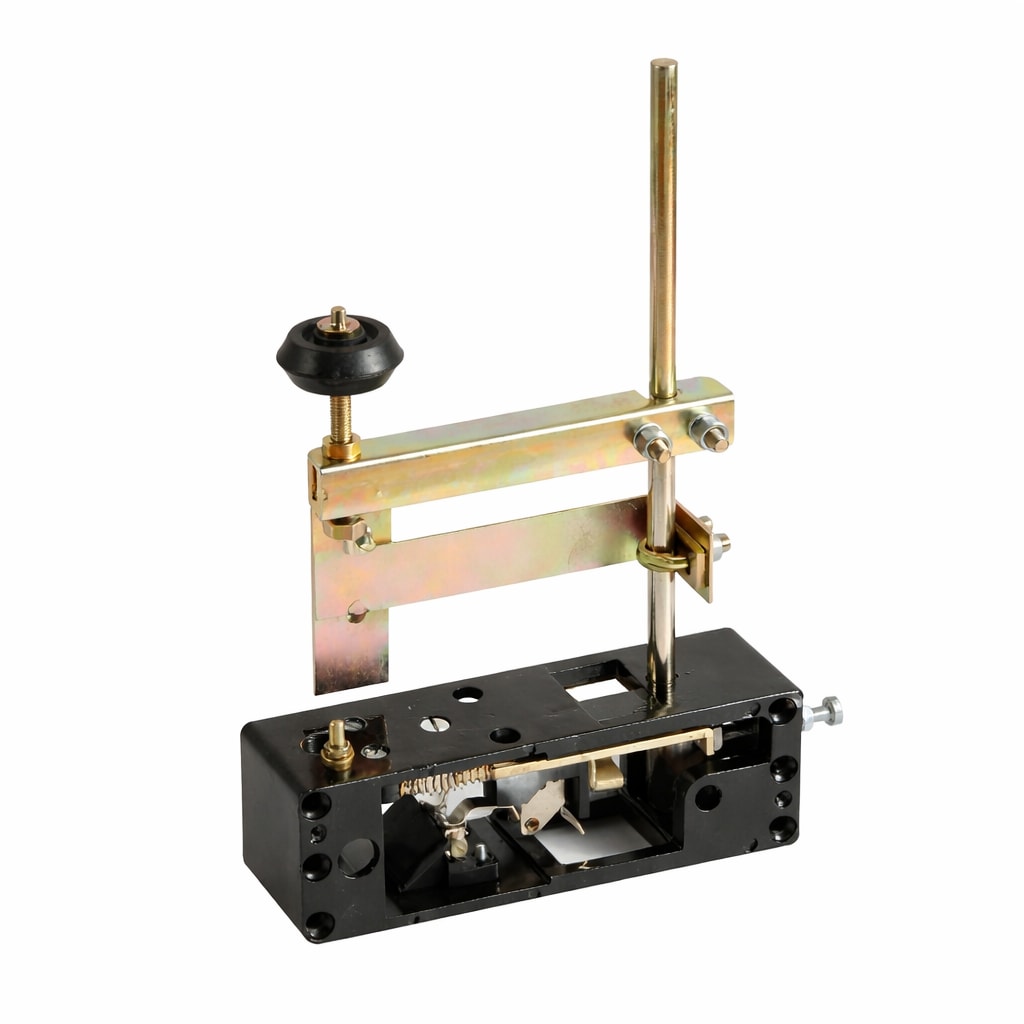
The S2 Gate Lock is a mechanical‑electrical safety interlock device used in elevator landing doors to ensure safe operation of the lift. It prevents the elevator from moving unless the landing gate or door is properly closed and securely locked. The S2 gate lock forms a critical part of the elevator safety circuit, providing confirmation to the controller that the door is in a safe, locked condition. Designed for durability and reliable performance, S2 gate locks are commonly used in manual and semi‑automatic elevator door systems, ensuring compliance with elevator safety requirements and preventing unauthorized or accidental door opening.
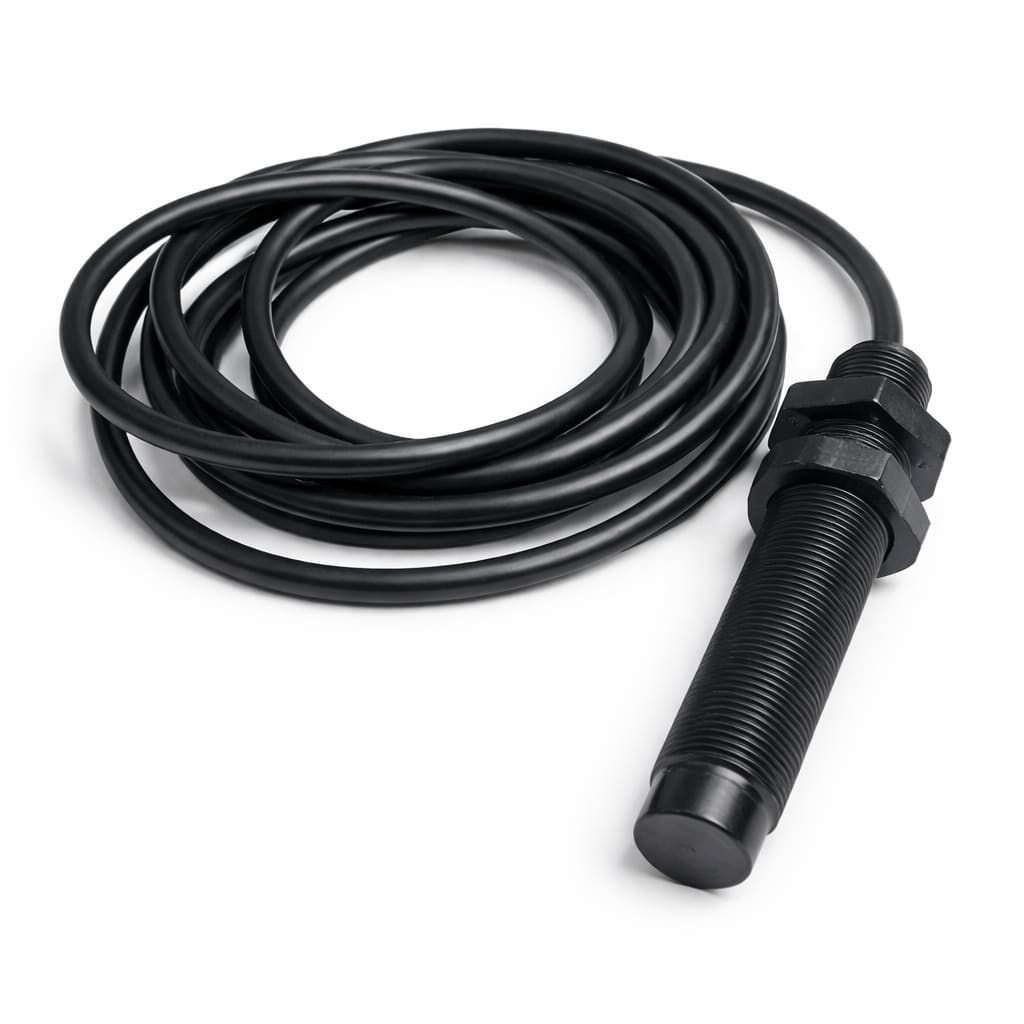
The Elevator Reed Switch – Normally Open (NO) is a magnetic sensing device used in elevator control, safety, and position detection systems. In its normal state (without a magnetic field), the switch remains open, and it closes when a magnet is brought near, completing the circuit. This NO type reed switch is commonly used for door open/close detection, floor position sensing, leveling signals, and limit indication in elevators. It provides accurate, contactless sensing with fast response and high reliability. Encased in a sealed glass capsule, the switch is protected from dust and moisture, making it suitable for continuous elevator operation.
The Elevator Display Cable – 12 Core is a flexible electrical cable specifically used for elevator display, indicator, and communication applications. It consists of 12 insulated copper conductors, allowing multiple signals to be transmitted simultaneously between the elevator control system and display panels such as floor indicators, car position displays, direction arrows, and status indicators. This cable is designed for reliable signal transmission, flexibility, and durability, making it suitable for continuous operation within elevator shafts and car wiring. Manufactured using high‑quality copper conductors with PVC or equivalent insulation and a protective outer sheath, it offers resistance to vibration, bending stress, and wear. The 12‑core display cable is commonly used in passenger and goods elevators for clear and stable display performance.
The Elevator S3 Gate Lock is a heavy‑duty mechanical‑electrical safety interlock used on elevator landing doors or gates to ensure secure lift operation. It prevents the elevator from running unless the landing door is fully closed, mechanically locked, and electrically confirmed through the safety circuit. S3 gate locks are typically designed for higher safety reliability and are widely used in manual, collapsible, and swing landing doors. They provide strong locking performance, resistance to tampering, and consistent electrical contact, making them suitable for demanding elevator environments.
The Junction and Inspection Box with Car‑Top Board is a combined electrical assembly designed for elevator inspection, maintenance, and wiring management at the car‑top location. It integrates an inspection control box, a junction box for cable terminations, and a car‑top board mounted on a single structure for efficient control and monitoring during Service operations. This unit allows maintenance personnel to manually operate the elevator in inspection mode while providing an organized interface for connecting safety circuits, control wiring, lighting, and auxiliary devices on the car top. The integrated design improves safety, reduces wiring clutter, and simplifies troubleshooting during installation and periodic maintenance.
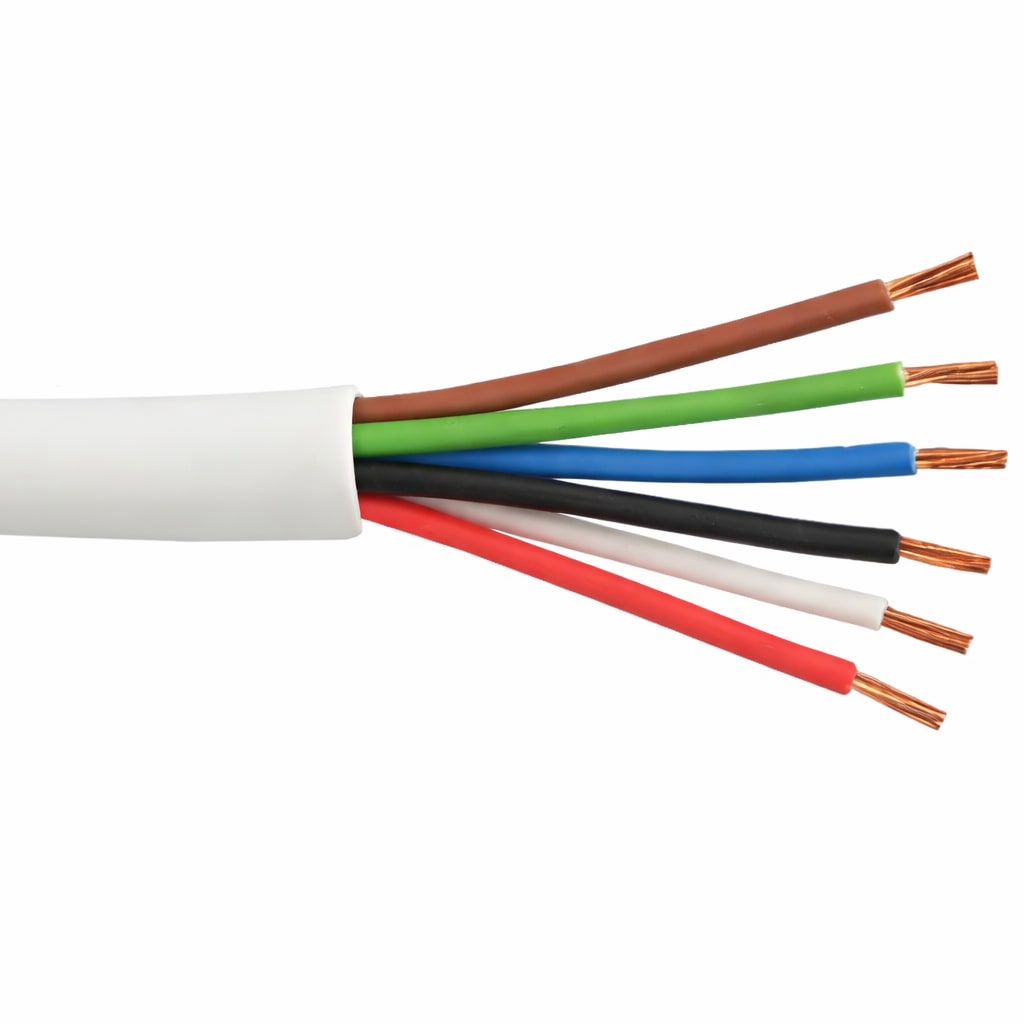
The Elevator 0.5 sq.mm 6 Core Cable is a flexible electrical cable used in elevator control, signal, and auxiliary wiring applications where multiple circuits are required within a single cable. It consists of six insulated copper conductors, each with a 0.5 square millimeter cross‑section, suitable for low‑voltage and low‑current elevator systems. This cable is commonly used for control circuits, door operator connections, safety interlocks, sensors, indicators, limit switches, and communication wiring. Manufactured with high‑quality copper conductors and durable PVC or equivalent insulation, it provides reliable electrical performance, good flexibility, and resistance to vibration and wear. The cable is suitable for use in elevator control panels, car wiring, and fixed internal installations in passenger and goods elevators.
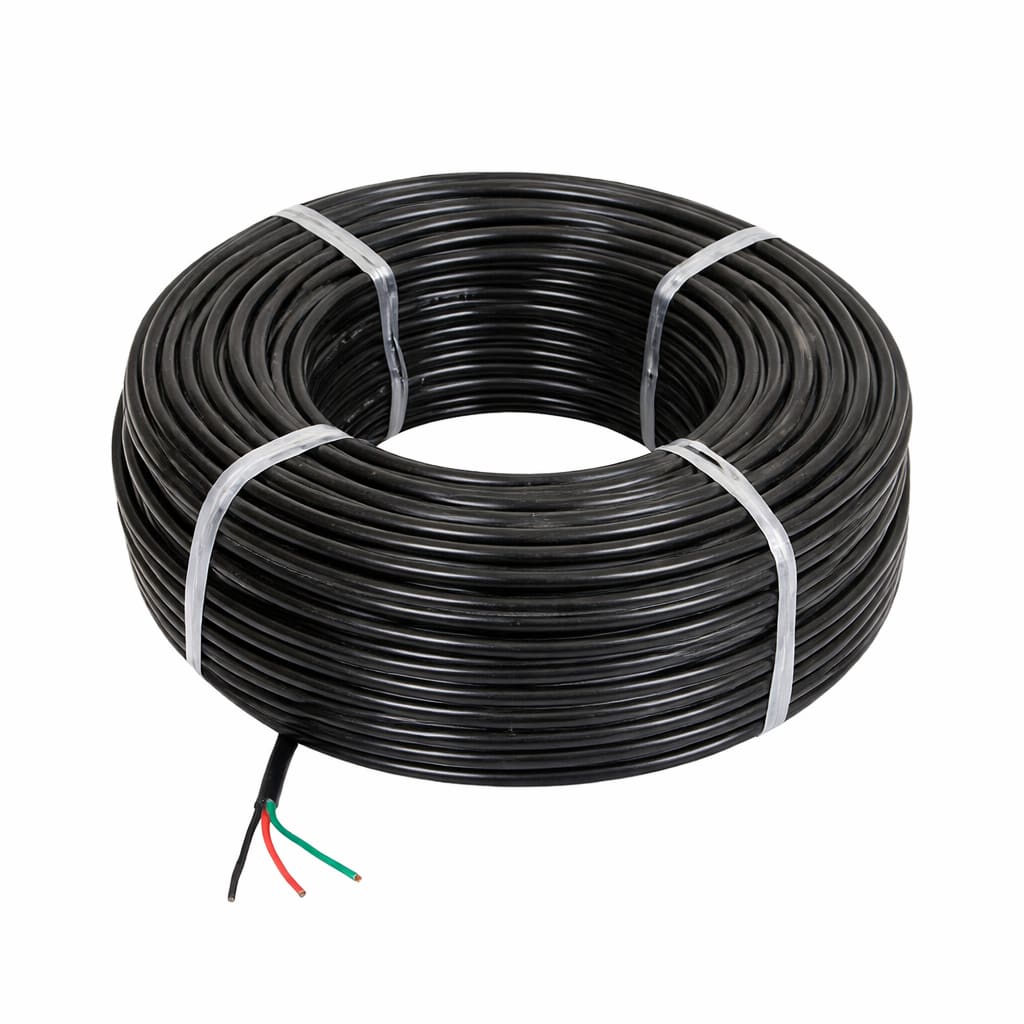
The 0.5 sq.mm 3 Core Cable is an electrical cable used in elevator control, signal, and auxiliary wiring applications where multiple signal paths or a common return line are required. It consists of three insulated copper conductors, each with a 0.5 square millimeter cross‑section, suitable for low‑voltage and low‑current circuits in elevator systems. This cable is commonly used for control circuits, door operators, sensors, indicators, interlocks, and communication wiring within elevators. Manufactured using high‑quality copper conductors with durable PVC or equivalent insulation, it offers good flexibility, reliable conductivity, and resistance to vibration and wear. The cable is suitable for use in elevator control panels, car wiring, and fixed internal installations for passenger and goods elevators.